Last updated November 22, 2026
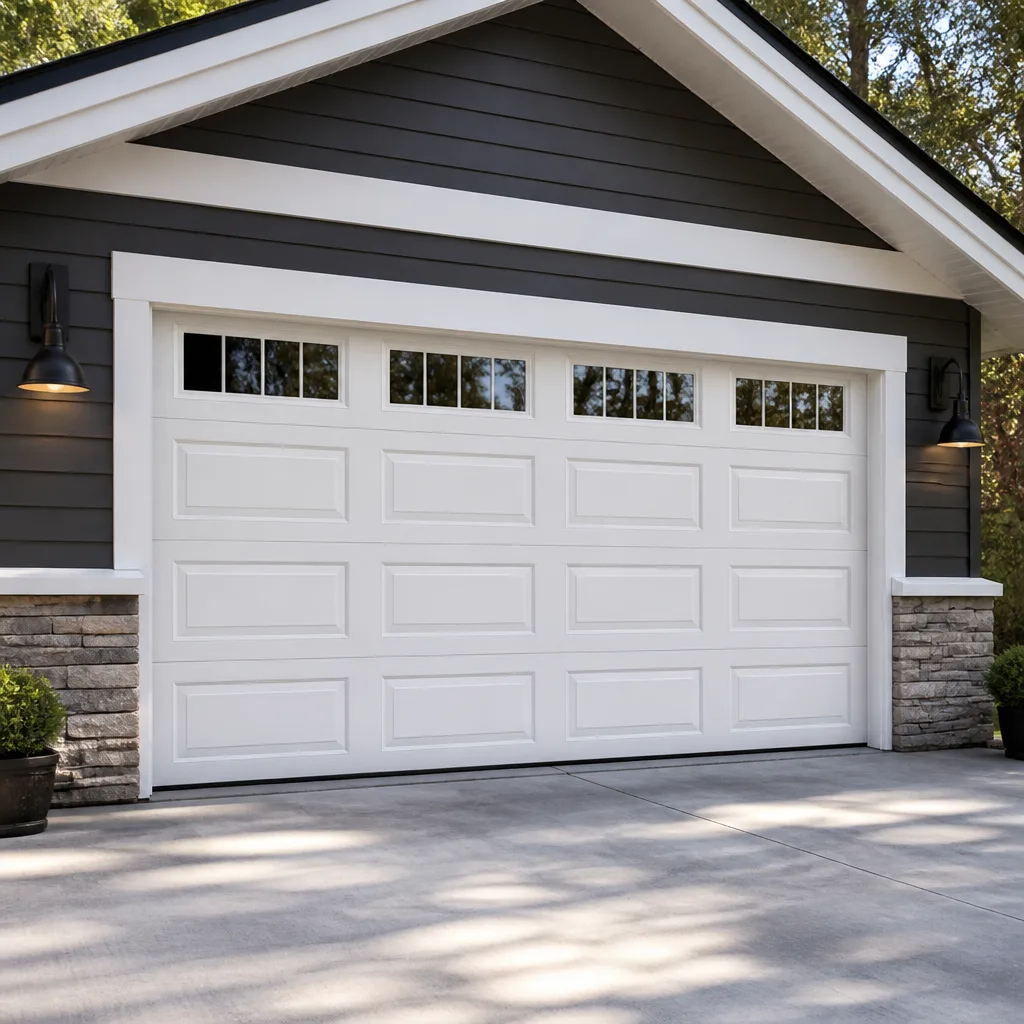 Raised-panel steel
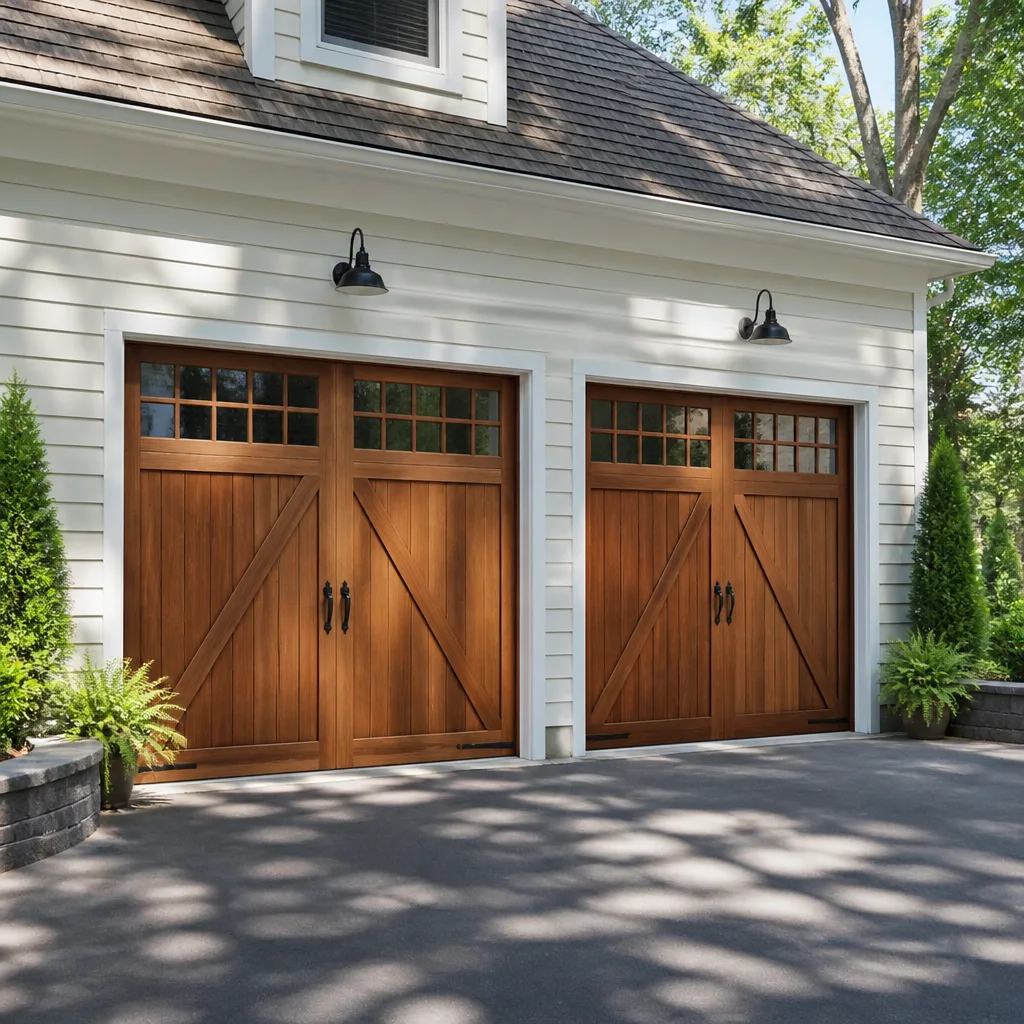 Carriage house
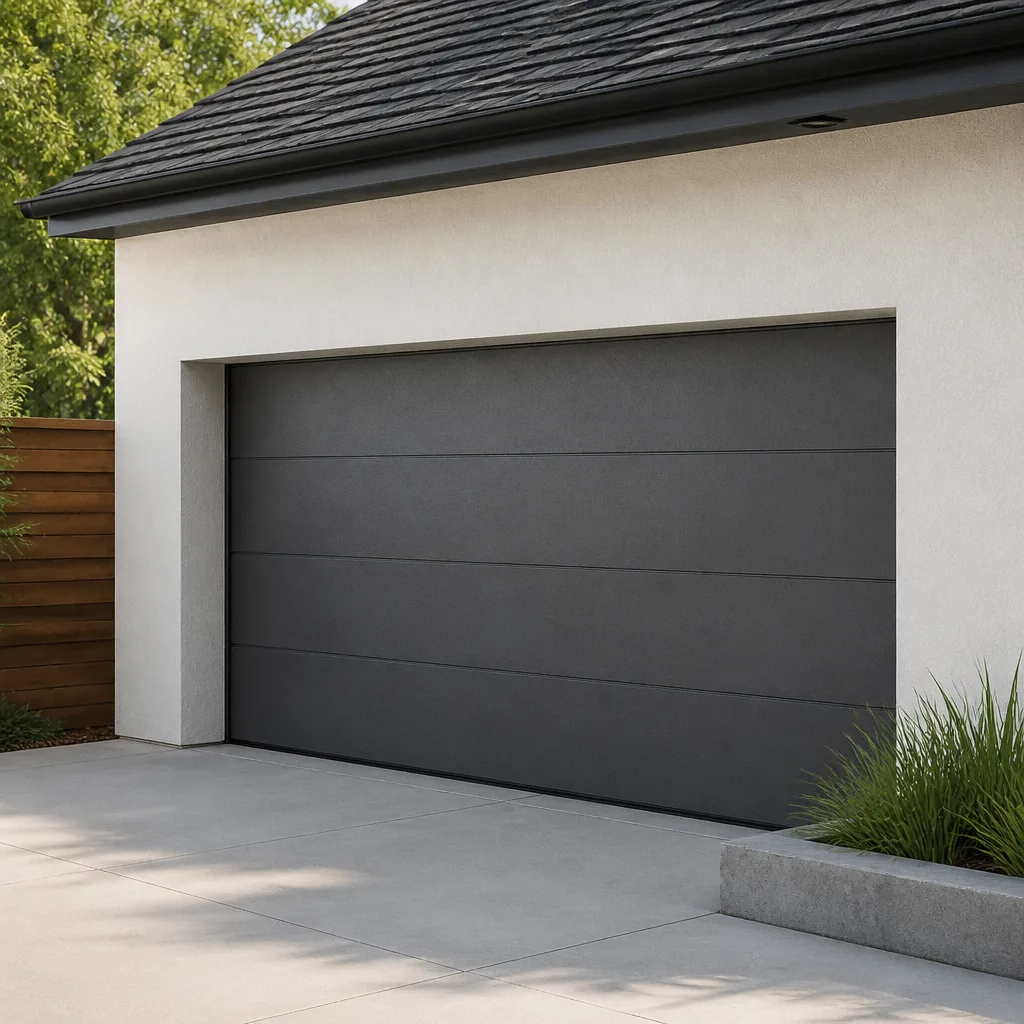 Modern flush
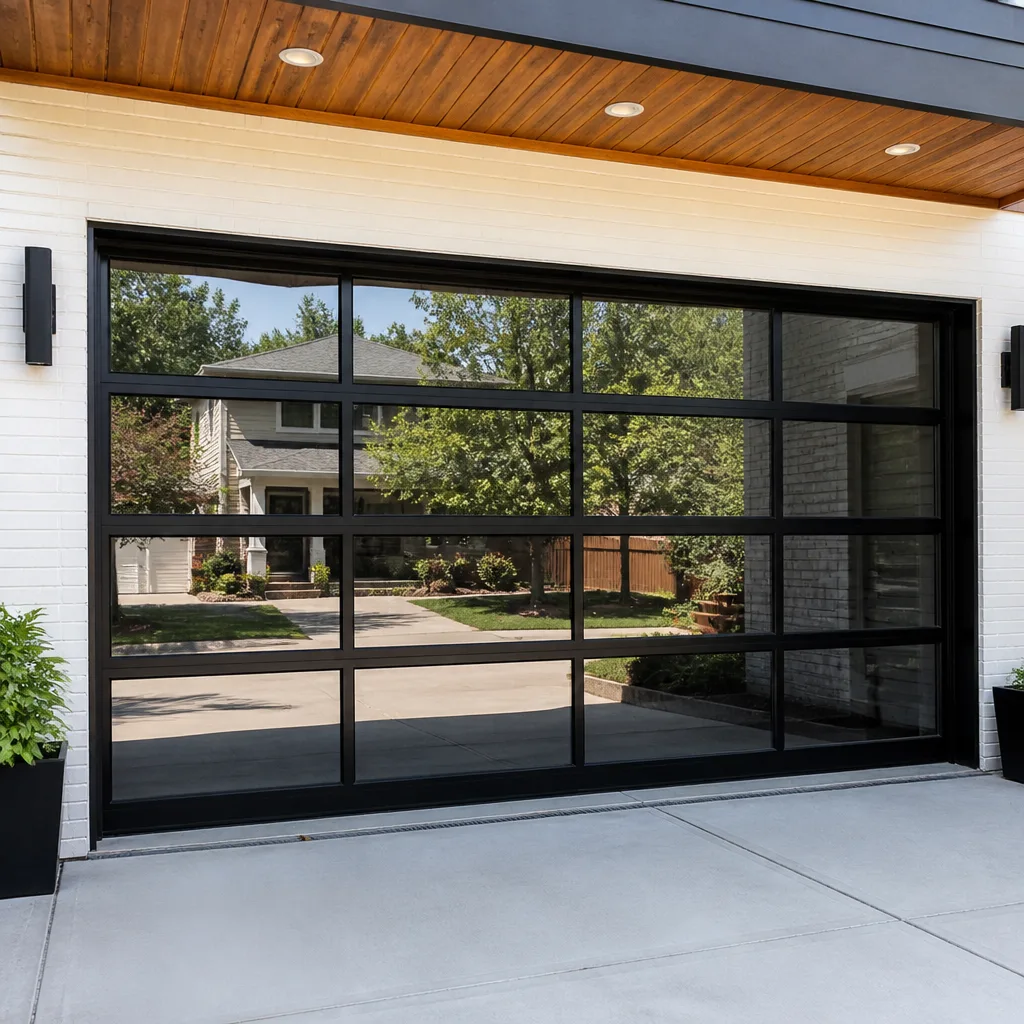 Full-view glass
 LiftMaster openers
 Chamberlain openers
Full 25-point door and opener safety check with every visit - springs, cables, rollers, tracks, and your LiftMaster or Chamberlain opener included
You get a price before we start. It does not change when the pro arrives.
Get your free estimateGarage Door Permits, Codes & Inspections in Springfield, OH: What You Need to Know
Here’s the part most Springfield homeowners get backwards: the small jobs that feel risky rarely need a permit, and the big job that feels routine often does. Replacing a broken torsion spring is a repair; swapping out the whole door can be a permitted alteration under Springfield’s local amendments to the Ohio Residential Code. That distinction matters far more at resale than it does on the day of the install, because a gap in your permit history is something a buyer’s inspector can find and a title company can flag. This guide walks through exactly when Springfield requires a permit for garage door work, what an inspection covers, and the questions to ask before you sign anything.
Quick Answer
In Springfield, a garage door replacement that changes the door’s size, weight, opening, or structural attachment to the framing generally requires a building permit, while like-for-like repairs – a new spring, a new opener on the existing door, rollers, cables, and hinges – typically do not. The permit is issued against the Ohio Residential Code as amended locally, and the inspection confirms the door, track, and hardware are installed to the manufacturer’s listing and that the automatic reversal and safety features work. If you’re not sure which side of the line your job falls on, ask Springfield’s building department directly before work starts – it’s a two-minute call that can save you a headache years later.
Styles & brands we work with
- Raised-panel steel
- Carriage house
- Modern flush
- Full-view glass
- LiftMaster openers
- Chamberlain openers
Table of Contents
- When does a garage door job need a permit in Springfield?
- How Springfield’s local amendments interact with the Ohio Residential Code
- What an inspection actually covers (and what to have ready)
- How unpermitted work surfaces during a home sale
- Do openers and smart-home controls need permitting?
- Questions to ask your contractor about permits
- Springs, cables, and doors: the permit line in plain terms
- How Springfield’s climate shapes the work
When does a garage door job need a permit in Springfield?
A garage door job needs a permit in Springfield when it changes the structure, the opening, or the load path – not when it restores the door to the condition it was already in. That’s the simplest way to think about it, and it tracks closely with how most Ohio jurisdictions read the residential code. The clearest permit triggers are the ones below.
Work that typically requires a permit:
- Full door replacement where the new door’s size, weight, or style differs from the one coming out.
- Enlarging or altering the opening – widening, raising the header, or changing the rough opening.
- Changing the attachment to the structure, such as moving the track brackets, adding new blocking, or re-anchoring to different framing.
- Replacing or repairing the header or surrounding framing as part of a door install.
- Converting a garage to living space, which usually means a different door, a new wall, and a separate set of permits.
- Adding a new garage or an attached door where none existed.
Work that typically does not require a permit:
- Spring replacement, whether it’s a single torsion spring or a matched pair – a spring swap is a repair of a listed component on an existing door.
- Opener replacement on an existing door, including new LiftMaster or Chamberlain units with Wi-Fi and battery backup.
- Roller, hinge, cable, and bearing plate replacement.
- Panel replacement with a same-size panel from the original manufacturer.
- Routine maintenance – lubrication, balance checks, and travel-limit adjustments.
That leaves a middle ground that trips people up: a same-size door replacement. Some jurisdictions require a permit because of the weight change or the new track anchor pattern even when the size matches; others don’t. For Springfield, we tell homeowners to call the city’s building department and describe the exact scope. If a permit is needed, the door isn’t going anywhere until it’s pulled – not because the city is being difficult, but because the inspector’s sign-off is what a buyer’s title search relies on later.
How Springfield’s local amendments interact with the Ohio Residential Code
Ohio adopts the Residential Code at the state level, and individual cities layer their own amendments on top. Springfield is no different. The state code sets the baseline for how a residential garage door is installed – anchorage, wind load where it applies, the opening protection requirements for attached garages, and the automatic operation safety features. Local amendments then adjust things like permit thresholds, inspection scheduling, and how the city wants the install documented. The practical effect for a homeowner is that you can’t assume a rule that was fine in Columbus or Dayton will be the same in Springfield.
Two things about that layered system catch people out.
First, the state code and the local amendments sometimes address different parts of the same job. The state code may dictate how the door must be anchored to resist wind load; the local amendment may dictate whether the city wants to see the manufacturer’s installation instructions before it signs off. A contractor who works across multiple counties has to know both.
Second, the amendments change. Springfield, like most Ohio cities, updates its adopted codes periodically, and a threshold that didn’t require a permit a few years ago may require one now. When we pull a permit for a garage door install, we confirm the current adopted edition before we submit. If a homeowner is reading a forum post from 2019 as their reference point, they may be working from an out-of-date rule.
What that means for you: treat the state code as a floor, not a ceiling, and ask the city’s building department to confirm the current local amendment for your specific job. That’s not a hedge – it’s exactly what a well-run contractor does on every permitted install.
What an inspection actually covers (and what to have ready)
An inspection on a garage door installation isn’t a cosmetic review. The inspector is there to confirm the door is installed per the manufacturer’s listing and that it operates safely – meaning it opens, closes, reverses on contact, and stops when the safety sensors are interrupted. Here’s what gets looked at and what you should have on hand.
What the inspector typically checks:
- Door anchorage – the track brackets, jamb brackets, and spring anchors are attached to solid framing, not drywall or a hollow cavity.
- Headroom and backroom – the door has the clearance the manufacturer specifies for the track radius and spring type.
- Balance – the door stays in place when manually stopped partway up and partway down.
- Automatic reversal – the opener reverses on contact with an obstruction.
- Safety sensors – the photo-eye pair is mounted at the correct height, aligned, and stops and reverses the door when a person or object crosses the beam.
- Labeling – the door carries the manufacturer’s permanent label, and the opener carries its listing mark.
- Weather seal and thresholds – where the local code requires it, the perimeter seal and bottom seal are in place.
What to have ready on inspection day:
- The permit card, posted visibly.
- The manufacturer’s installation instructions for the door and the opener.
- The model and serial numbers for both.
- Clear access to the garage interior and the driveway side of the door.
- A power source for the opener if it’s being tested.
The inspection usually takes less than an hour, and if something’s wrong it’s almost always a small fix – a sensor that’s misaligned, a manual-release cord that’s too high, a missing label. The garage door installation we do in and around Springfield is scheduled around the inspection, because it doesn’t make sense to have the door half-installed when the inspector arrives. If your door is older and needs service before an inspection, we can handle the garage door repair needed to bring it up to spec.
How unpermitted work surfaces during a home sale
Unpermitted work doesn’t usually surface during the install. It surfaces when the house goes on the market and layers of scrutiny come together: the buyer’s home inspector opens the permit history, the appraiser flags a discrepancy, and the title company runs a search that turns up a permit that was never closed. What happens next depends on how the transaction is structured, but the pattern is consistent.
How it usually plays out:
- The buyer’s inspector notes the door. A new-looking door on a house with no recent permits on file is a question mark. The inspector recommends the buyer ask for documentation.
- The title search reveals the gap. Either there’s no permit on record at all, or there’s an open permit that was never inspected and closed.
- The lender or buyer requires remediation. Options typically include pulling a retroactive permit (where the city allows it), having the work inspected as-is, or removing and reinstalling the door to the current code.
- The closing timeline slips while the remediation is scheduled and completed.
- The parties negotiate – the seller credits the buyer, the seller pays for the remediation, or the deal restructures.
The cost of remediation depends on what the city requires and how much of the install has to be redone. In some cases, the city will do a retroactive inspection of the door as installed; in others, the door has to come out. Either way, the seller is usually paying for it out of the proceeds of the sale, which is exactly the wrong time to be writing a check.
If you’re buying a house in Springfield with a recently replaced garage door, ask the seller’s agent for the permit number and the passed-inspection record. If they can’t produce it, assume the door may need to be re-inspected or re-permitted, and price that into your offer. If you’re selling and you’re not sure whether a door install was permitted, call the building department now – not the week before closing.
Do openers and smart-home controls need permitting?
Replacing a garage door opener on an existing door does not typically require a separate building permit. The opener is a listed appliance; swapping one for another of the same type and voltage is a like-for-like replacement. That covers most of what we install in Springfield – Chamberlain and LiftMaster units with built-in Wi-Fi, battery backup, and smartphone control are the most common upgrades we handle, and they don’t trigger permit review on their own.
A few things around the opener can create a permit question:
- New wiring circuits. If the garage doesn’t already have a dedicated circuit for the opener and a new one has to be run, that’s an electrical permit, not a garage door permit, and it’s an electrician’s scope – not ours.
- Side-mount or jackshaft openers, which change the mounting and sometimes the framing around the door. The door work itself may still be permit-free, but if it’s part of a larger door replacement, the permit follows the door.
- Door weight changes. If a new opener is being paired with a new door, the permit for the door covers the opener install too.
What an opener always needs, permit or not: proper balance, correct travel limits, working safety sensors, and a functioning manual release. Those are safety features, not conveniences, and an opener that reverses poorly is a hazard even if it’s never inspected. Our garage door opener repair service includes a balance and reversal check on every call, so you know the system is behaving before we leave.
Questions to ask your contractor about permits
Permit responsibility is one of the most common gaps in a garage door contract. Sometimes the homeowner assumes the contractor is pulling it; sometimes the contractor assumes the homeowner is. When nobody pulls it, the homeowner owns the problem years later. These are the questions to ask before anyone starts work.
- “Will this job need a permit?” Ask them to state their answer in writing, with the reasoning. If they say no, ask them to confirm the specific Springfield amendment or code section that makes it no.
- “Who pulls the permit – you or me?” In most residential work, the contractor pulls the permit because the contractor is the one whose install gets inspected. Get that confirmed in the written estimate.
- “Is the permit fee included in the price?” Permit fees vary by scope, so the estimate should either include the fee or state clearly that it’s separate. No surprises at the end.
- “Who schedules the inspection, and whom does the inspector talk to?” The contractor should schedule it and be on site to walk the inspector through the install.
- “What happens if the inspection fails?” The answer should be: the contractor fixes the issue and reschedules at no additional cost to you. If they hesitate, keep asking.
- “Will I get the passed-inspection documentation and the permit number when the job is done?” This is the paper trail you’ll want at resale. If they don’t produce it, ask again.
- “Are your technicians licensed and insured as the state requires?” Ask this of every trade – the local pro doing the work is licensed and insured as their state requires, and you should confirm it before work starts.
If a contractor tells you a permit isn’t needed and can’t explain why, treat that as a red flag. The correct answer to “does this need a permit” is never a guess. It’s either “yes, and here’s the reasoning” or “no, and here’s the reasoning.” Anything else is a contractor who hasn’t checked.
Springs, cables, and doors: the permit line in plain terms
The cleanest way to separate permitted work from non-permitted work on a garage door is by asking one question: does the job change the door’s structure or is it a repair of a listed component? A spring replacement is a repair. A door replacement is a structural alteration. Everything else sits on a sliding scale between those two endpoints.
Where common jobs fall:
- Broken torsion spring (the big one that fails above the door): repair, no permit. Also the most dangerous job on the door – the spring is under high tension, and handling it without the proper winding bars and training is how people get seriously hurt. Let a trained technician handle it.
- Broken extension spring (the two springs running along the horizontal tracks): repair, no permit, same safety caveat.
- Snapped lift cable: repair, no permit. The cable is under tension too and can whip if released the wrong way.
- Bent track, worn rollers, noisy hinges: repair, no permit.
- Opener replacement or repair: no permit on existing door.
- Same-size door replacement: check with Springfield’s building department – this is the gray zone.
- Door replacement with a different size, weight, or style: permit required.
- Opening enlargement or header work: permit required, and often a structural review.
Our garage door spring repair is the service we run most often in Springfield, and in all the spring jobs we’ve done, we’ve never needed to pull a permit – the spring is a listed replacement part on an existing door. That’s not a reason to skip the safety side, though. The springs are the part of the door most likely to injure someone, and a professional who knows what they’re doing is the only safe way to replace them.
How Springfield’s climate shapes the work
Springfield sits in west-central Ohio, which means four-season weather with real freeze-thaw cycles, hot humid summers, and winters that put a lot of demand on the door’s seals and springs. That climate doesn’t change the permit rules, but it does change what a garage door job involves and what an inspector is looking at.
What that looks like in practice:
- Freeze-thaw movement on the opening. The framing around a garage opening expands and contracts through the year, which can loosen anchor bolts over time. An inspector checking anchorage on a Springfield install is checking that the brackets are still tight – a job that’s ten winters old and never re-tightened can fail that check.
- Spring fatigue. Torsion springs lose tension faster in climates with wide temperature swings. If the door feels heavy in February and light in June, the spring is on its way out.
- Seal wear. The bottom seal and perimeter weatherstripping take a beating between summer heat and winter cold. A worn seal is one of the first things an inspector notes on an older door.
- Opener stress. A door that’s binding in the cold puts more load on the opener, and the opener’s safety reverse is the exact feature the inspector tests.
None of that is unique to Springfield – it’s true across the Miami Valley. But it does mean that a door install that was done correctly in a mild climate and left untouched for a decade won’t hold up the same way here. When we replace a door in Springfield, we spec springs and hardware with the seasonal load in mind, and we recommend an annual balance check as the cheapest insurance against a February failure.
Common Mistakes to Avoid
- Assuming a spring replacement needs a permit. A lot of homeowners call the building department, get told a spring doesn’t need one, and then assume the same rules apply to a full door replacement. They don’t. Check each job on its own terms.
- Letting the contractor hand-wave the permit question. “You don’t need one for this” without a code reference or a call to the city is a guess. Ask for the reasoning in writing.
- Paying the permit fee twice. Some estimates include the fee, some list it separately, and some quietly don’t include it at all. The written estimate should be clear about which one you’re looking at.
- Skipping the passed-inspection paperwork. If the job was permitted, get the permit number and the passed inspection record the same week the work is done. Tracking it down three years later is much harder.
- Doing the install yourself on a door that needed a permit. The install is the easy part. The permit, the inspection, and the resale paper trail are the parts a homeowner can’t retroactively create on their own.
- Ignoring a door that was installed before you bought the house. If you’re buying a Springfield home with a newer-looking door, ask for the permit history before closing. It’s a 10-minute check that can save a very expensive negotiation later.
- Letting a spring job be a “while we’re here” add-on. Spring replacement is the highest-risk part of any garage door job, and it needs its own appointment, its own estimate, and its own trained technician. Don’t let it get bundled into a door install as an afterthought.
See the difference
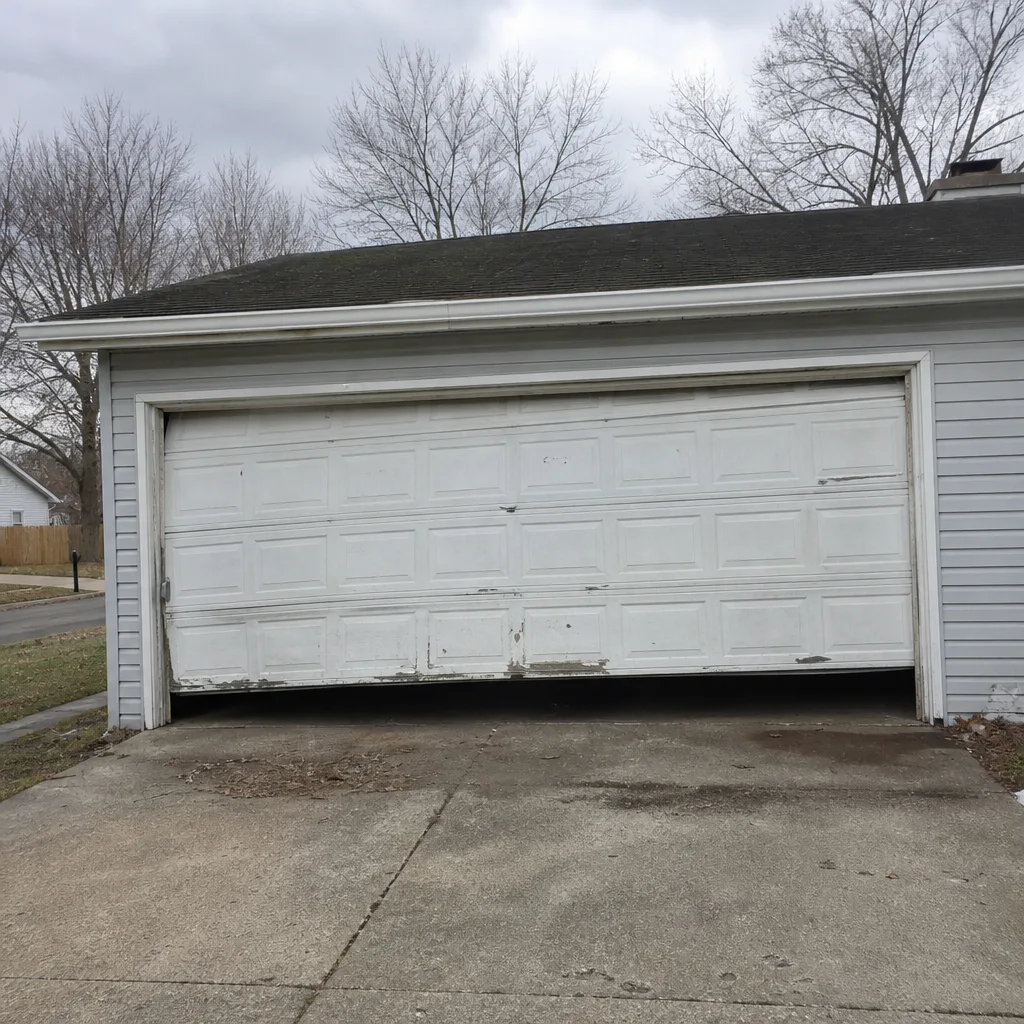 Before
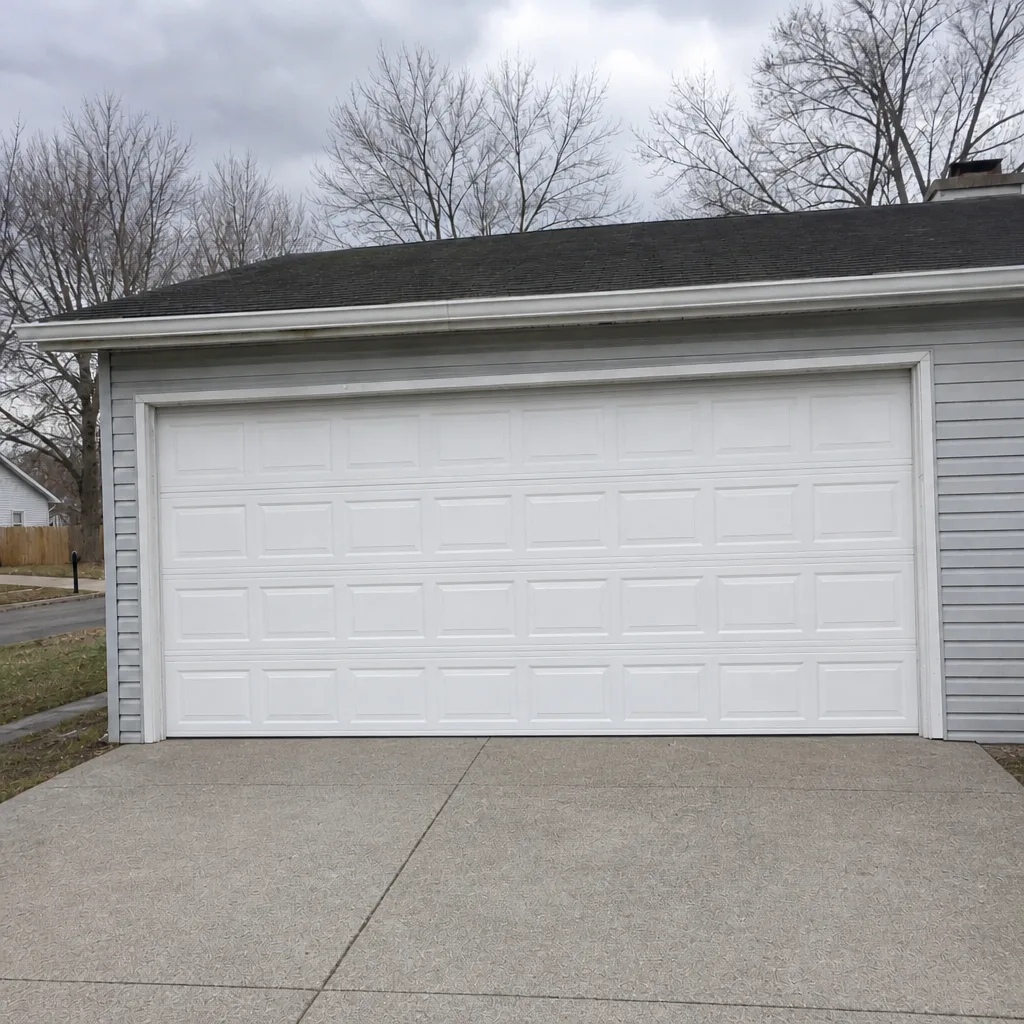 After
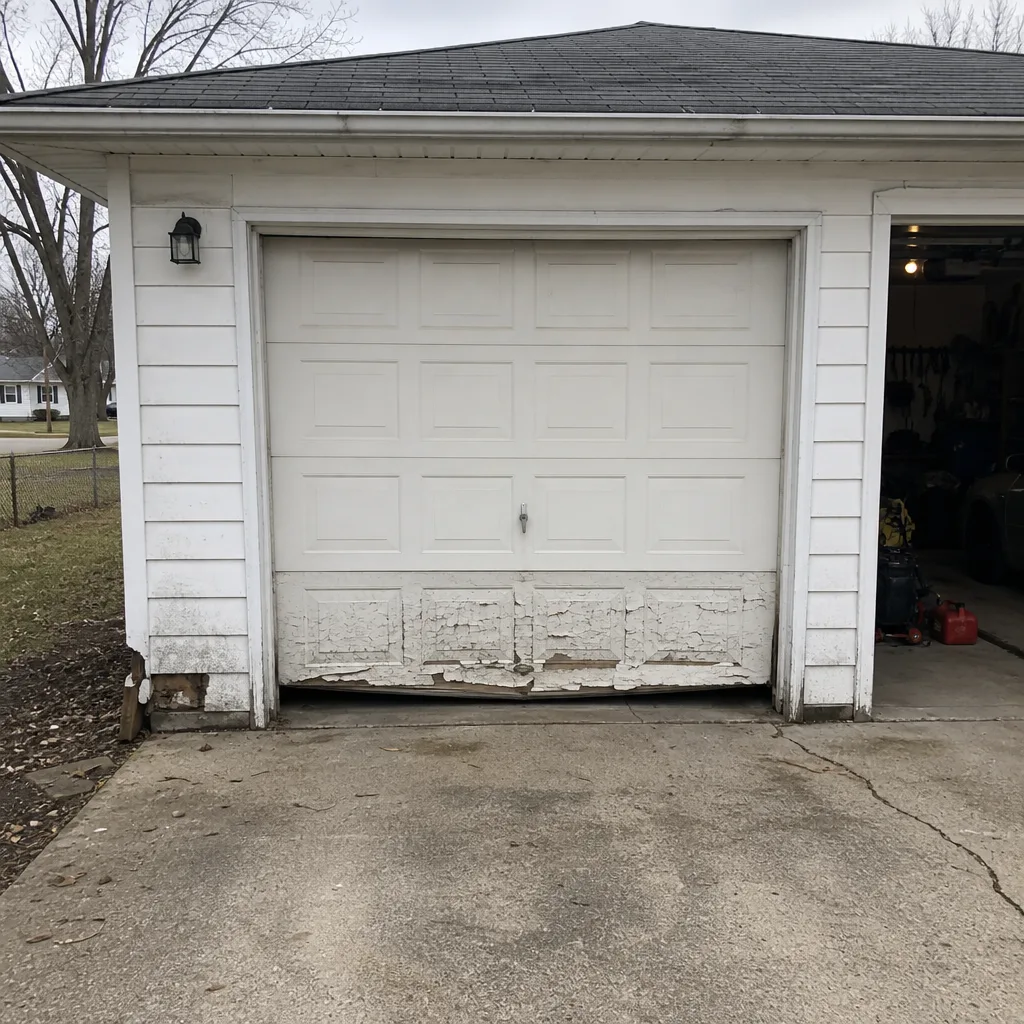 Before
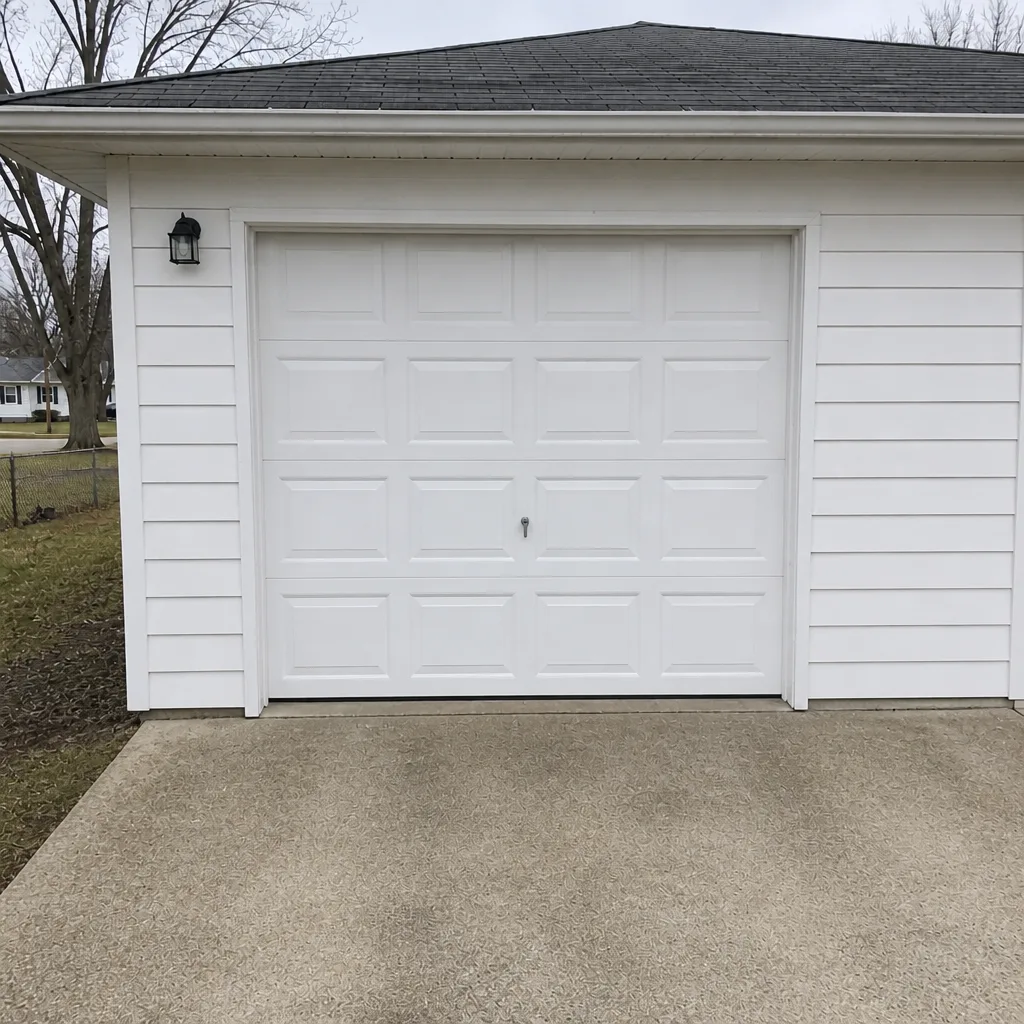 After
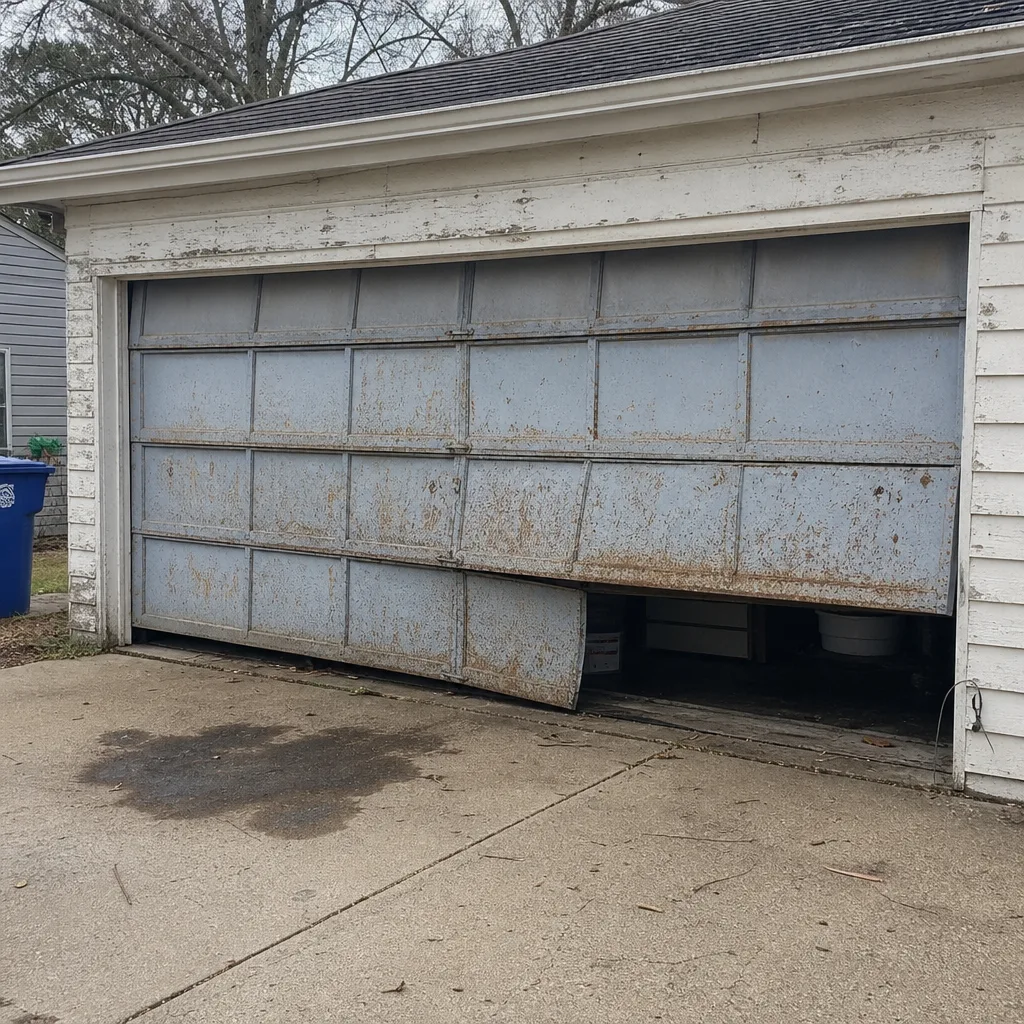 Before
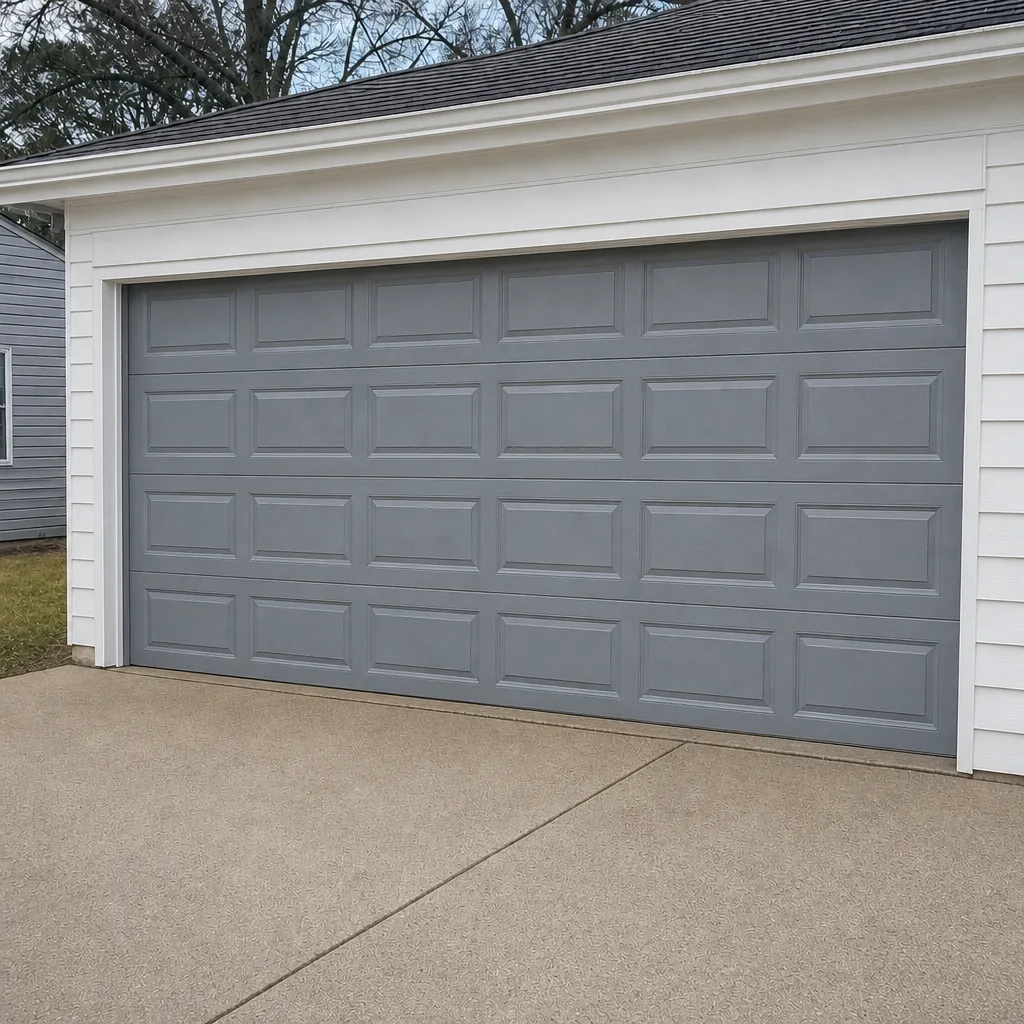 After
When to Call a Professional
Some garage door work is fine to handle on your own – a noisy hinge, a misaligned safety sensor, a remote that won’t pair. But the jobs that carry real risk, or that trigger a permit, aren’t DIY territory. Call a professional if any of the following describes your situation: the door has a broken spring or snapped cable; the door is off its tracks or hanging unevenly; you’re replacing the door entirely or changing its size or style; the opener reverses poorly or the safety sensors won’t stay aligned; or you’re not sure whether the job you’re planning requires a Springfield permit. The first two on that list are genuine safety hazards. Torsion springs are under extreme tension, and a DIY attempt on a broken spring is the single most common way people get seriously hurt in a garage. A trained technician has the tools, the winding bars, and the experience to do it without putting anyone at risk. When the door won’t move, we do – and we can usually be at your Springfield home quickly. Hornbeam Garage Door Repair offers free estimates in Springfield – call (866) 558-6357 to schedule one.
Frequently Asked Questions
In Springfield, a full garage door replacement that changes the door’s size, weight, style, or attachment to the framing generally requires a building permit under the Ohio Residential Code as amended locally. A same-size replacement can go either way depending on the current local amendment, so confirm with Springfield’s building department before work starts. If the job needs a permit, the permit should be pulled and the inspection scheduled as part of the install. Call (866) 558-6357 for a free estimate – we’ll walk you through the permit question before we quote.
No – a garage door spring replacement in Springfield does not typically require a permit because it’s a repair of a listed component on an existing door, not a structural alteration. That’s true whether it’s a single spring or a matched pair. The safety risk is a separate matter: torsion springs are under high tension, and a DIY replacement is how people get seriously hurt. A trained technician should do the job. Call (866) 558-6357 for a free estimate on spring repair.
Permit fees for a garage door install in Springfield depend on the scope of the job and the current fee schedule, which the building department can confirm for you. Fees are usually modest compared to the cost of the door itself, and the more important number is what remediation would cost later if the permit was skipped. Ask for the permit fee to be itemized in your written estimate so there’s no surprise. Call (866) 558-6357 for a free estimate – estimates are free and the price is quoted and agreed before any work starts.
A garage door inspection in Springfield covers the door’s anchorage, balance, headroom and backroom clearances, automatic reversal on the opener, safety sensor operation, labeling, and weather sealing where required by local code. The inspector is confirming the door was installed to the manufacturer’s listing and operates safely – not judging the aesthetics. Have the permit card, the manufacturer’s instructions, and clear access to the garage on inspection day. If your door needs service before an inspection, call (866) 558-6357 for a free estimate.
Yes – unpermitted garage door work can hold up a Springfield home sale if the buyer’s inspection or the title search turns it up. The buyer’s lender or the buyer themselves may require a retroactive permit, an as-is inspection, or removal and reinstallation to current code before closing. The cleanest prevention is a passed-inspection record and a permit number kept with the home’s other paperwork. If you’re not sure whether a past install was permitted, ask the building department now. Call (866) 558-6357 if you need documentation or repairs to resolve it.
No – the written estimate sets the price, and we quote and agree the price before any work starts. The only time the price changes is if we find something during the install that genuinely wasn’t visible on the initial assessment, and even then we stop and get your approval before we continue. You’ll never get an invoice bigger than the quote because we didn’t look closely enough at the start. Call (866) 558-6357 for a free estimate.
The Bottom Line
The permit question on a garage door in Springfield comes down to one test: is the job a repair of an existing component or a structural alteration? Springs, cables, rollers, openers, and panel swaps are repairs. Full door replacements that change size, weight, or attachment need a permit and an inspection. Getting the distinction right costs a phone call up front and pays you back at resale with a clean permit history, a passed inspection, and a paper trail a buyer’s title company can find. Getting it wrong can hold up a closing. If you’re not sure which side your job is on, ask before you sign – and get the estimate in writing.
Whether you’re replacing a worn door, diagnosing a failing opener, or resolving an unpermitted install before a sale, Hornbeam Garage Door Repair works on all eight major brands – LiftMaster, Chamberlain, Genie, Clopay, Amarr, Wayne Dalton, Craftsman, and Raynor – so the right part goes on the right door with no substitution guesswork. Our technicians have up to 8 years of experience, we can work with your insurer where applicable, and emergency service is available when the door is stuck and access or security is on the line. Call (866) 558-6357 for a free estimate in Springfield – we’ll give you a written price before any work starts, and the estimate sets the final price.
Written by the team at Hornbeam Garage Door Repair.