Last updated November 22, 2026
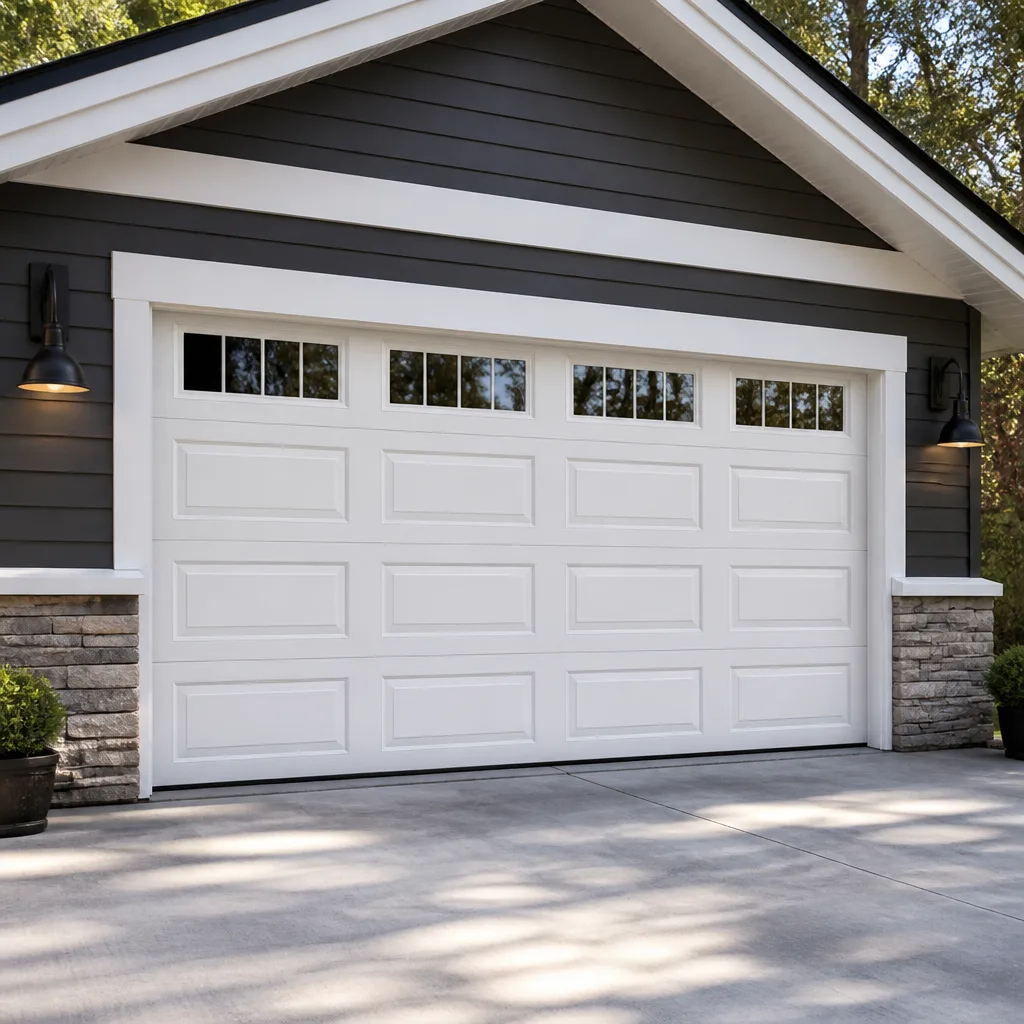 Raised-panel steel
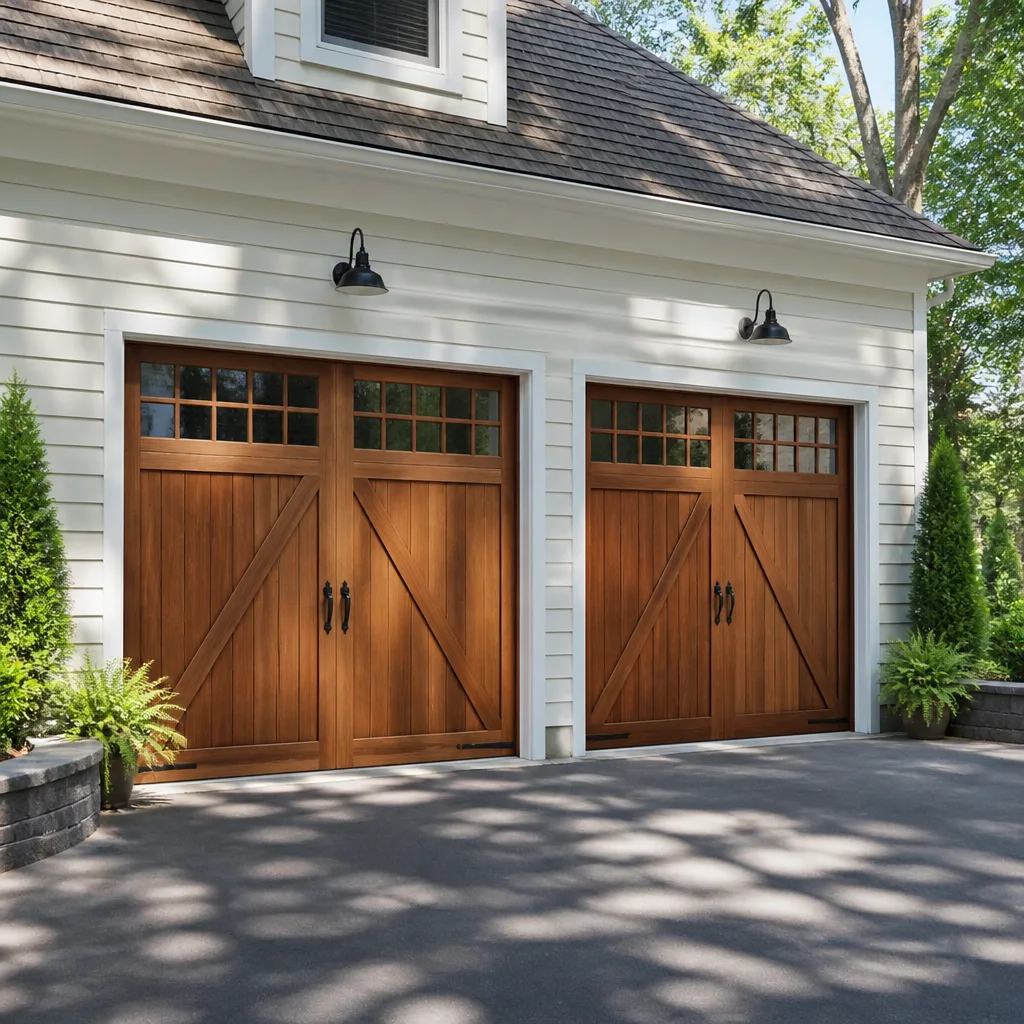 Carriage house
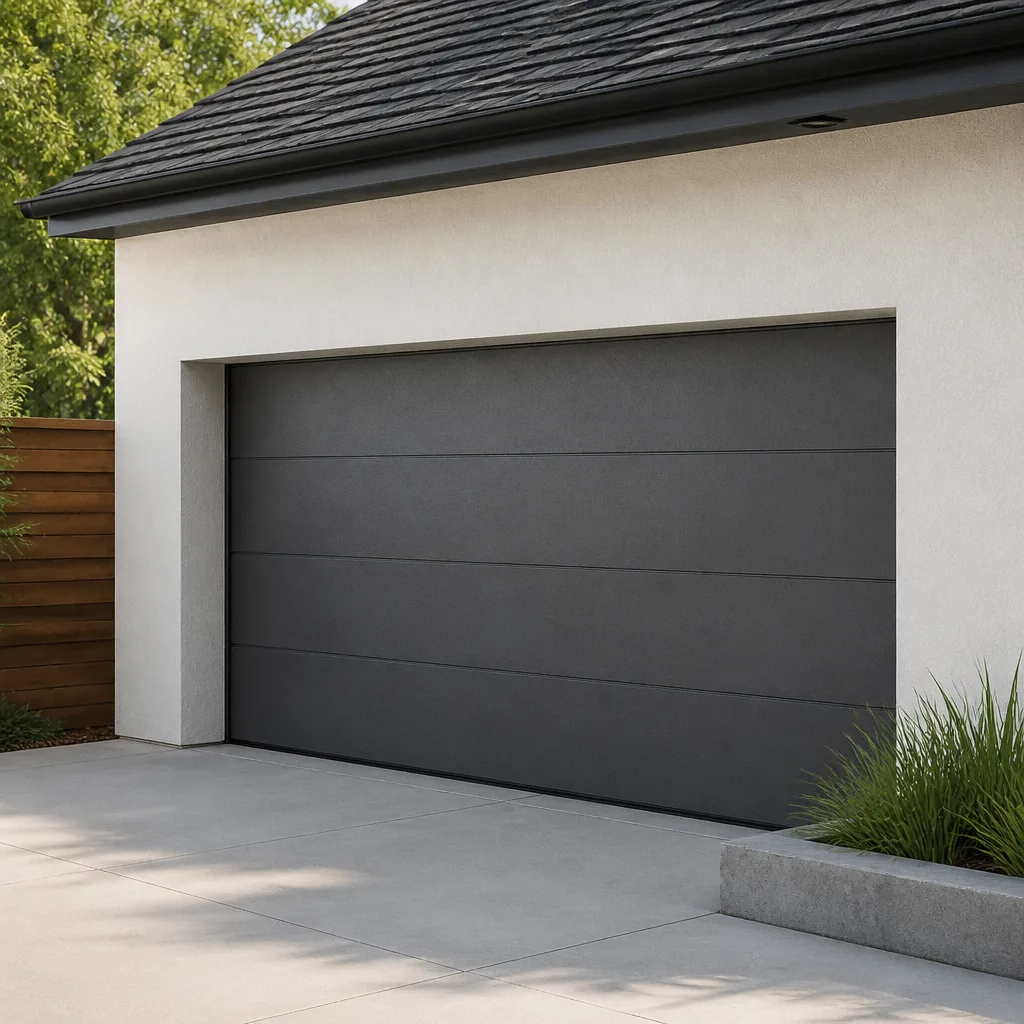 Modern flush
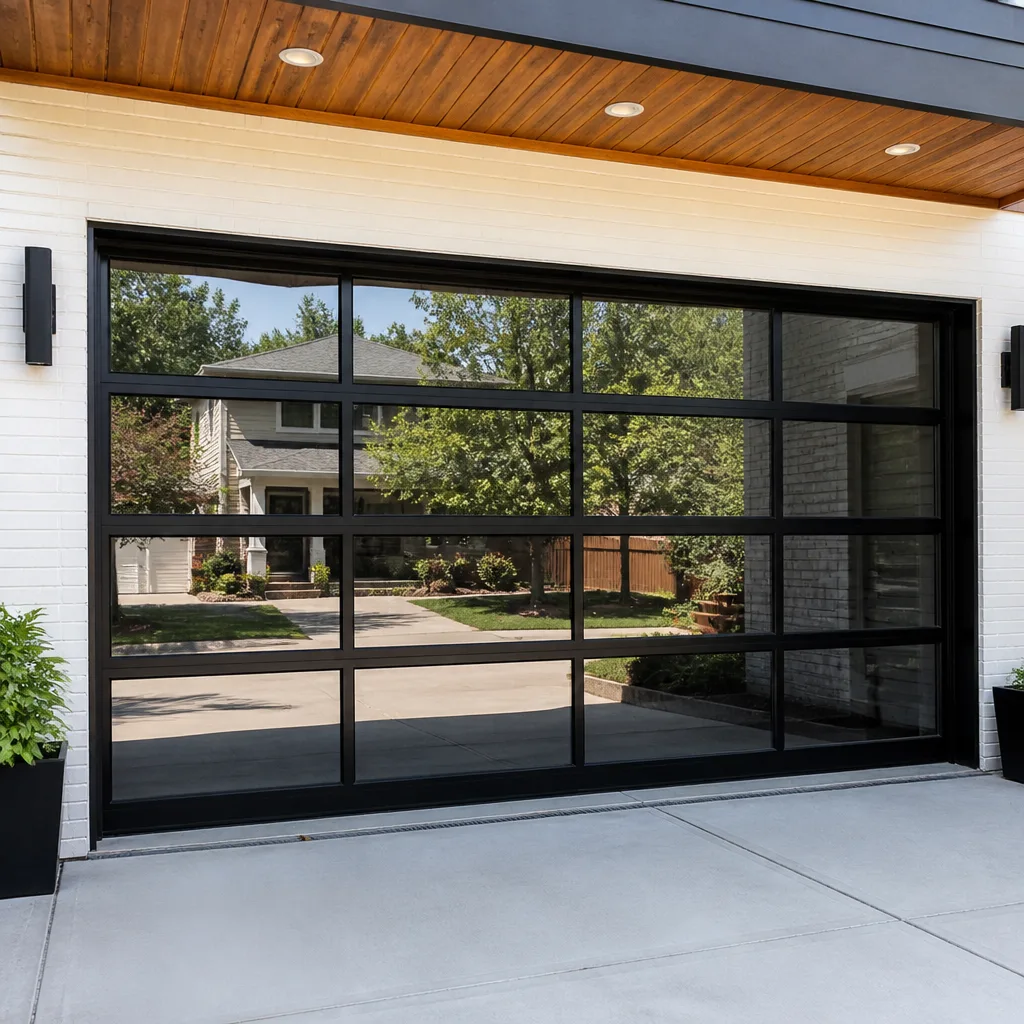 Full-view glass
 LiftMaster openers
 Chamberlain openers
Full 25-point door and opener safety check with every visit - springs, cables, rollers, tracks, and your LiftMaster or Chamberlain opener included
You get a price before we start. It does not change when the pro arrives.
Get your free estimateGarage Door Repair Maintenance Checklist for Springfield Homeowners
Most garage door failures we diagnose in Springfield don’t start with a snapped spring. They start with a roller that hasn’t been looked at in three years, or a weather seal that’s been quietly letting humid summer air and cold January drafts into the same gap. The homeowner did nothing wrong. They just never got a checklist that told them what actually matters and in what order. This guide is that checklist. It’s built around the failure points we see most often on Springfield doors, organized by frequency, and written so you can do the safe parts yourself and know exactly when to stop and call a technician. You’ll learn which five checks prevent the most service calls, how to test spring balance without ever touching a spring, which parts to lubricate and which to leave alone, and how to keep a simple log that makes any future repair faster.
Quick Answer
The highest-value garage door maintenance in Springfield comes down to five checks: lubricate the rollers, hinges, and torsion bar (never the tracks or the spring itself), test the door’s balance with the opener disengaged, inspect and clean the weather seal at the bottom and sides, tighten the track and hinge bolts, and run the safety reverse test monthly. Do those five things and you’ll prevent the large majority of the calls we get in Springfield. Any inspection or work involving springs, cables, or the torsion assembly should go to a trained technician, because those components hold enough stored force to cause serious injury.
Styles & brands we work with
- Raised-panel steel
- Carriage house
- Modern flush
- Full-view glass
- LiftMaster openers
- Chamberlain openers
Table of Contents
- The Five Checks That Prevent Most Springfield Service Calls
- How to Test Spring Tension and Balance Without Touching the Springs
- Lubrication: What Actually Needs It and What Never Does
- Weather-Seal Inspection for Ohio Humidity and Temperature Swings
- Opener and Safety-Reverse Checks You Can Do in Two Minutes
- Tracks, Rollers, Hinges, and Hardware: Tighten, Adjust, and Know When to Stop
- The Maintenance Log That Makes a Technician’s Job Easier
- A Seasonal Maintenance Calendar for Springfield
The Five Checks That Prevent Most Springfield Service Calls
If you only do five things to your garage door this year, do these. We’ve ordered them by how often the underlying problem shows up in service calls around Springfield, so the first one prevents the most calls and the fifth prevents the fewest. Each takes minutes and none of them requires you to touch the spring, cable, or torsion assembly.
- Lubricate the moving metal parts. Rollers, hinges, and the torsion bar bearings get a light coat of garage-door lubricant. This one step prevents more premature roller and hinge wear than any other. It’s also the step most homeowners skip, and it’s the reason a door that’s only a few years old starts sounding like it’s twenty.
- Test the balance with the opener disengaged. A door that won’t hold its position halfway up is working the opener too hard, and that wears the opener’s gears and motor. You’ll find the full test below.
- Inspect and clean the weather seal. The bottom seal and the side seals take more abuse in Springfield’s humidity and freeze-thaw cycle than most homeowners realize. A torn bottom seal lets water and cold air in and quietly raises your heating bill.
- Check and tighten the track and hinge bolts. Vibration loosens hardware over time. A loose hinge bolt or a track bracket that has worked its way out of the wood creates a rattle that gets worse and can eventually misalign the door.
- Run the safety-reverse test monthly. This one is a safety check, not a wear check. It confirms the opener reverses when it meets an obstruction, which matters most in a house with kids or pets.
Every one of these is safe for a homeowner to do. Anything that involves loosening a spring, adjusting a cable, or moving a torsion assembly is a different category of work. Those parts hold lethal stored energy, and that’s the dividing line. When your door crosses it, it’s time for garage door repair from a trained technician, not a weekend project.
How to Test Spring Tension and Balance Without Touching the Springs
You can learn almost everything you need to know about your springs by watching the door, without laying a hand on the spring itself. The test below is the homeowner-safe version. It tells you whether the springs are doing their job or whether the opener is doing the springs’ job, which is the real diagnostic question.
- Close the door fully and pull the emergency release cord to disconnect the opener. On most openers this is the red handle hanging from the trolley. The door is now on the springs alone.
- Lift the door about halfway by hand. It should feel light, maybe 10 to 15 pounds of effort. If it feels heavy, or if you have to strain, the springs are losing tension.
- Let go at the halfway point. A balanced door holds its position. If it drops, the springs are weak. If it rises on its own, they’re over-tensioned or the door is misadjusted.
- Lower it slowly and reconnect the opener by pulling the release cord and running the opener until the trolley re-engages.
What this tells you: a door that drops or rises on its own means the spring system is out of adjustment. What it doesn’t tell you is why, and that’s where the work stops being safe. Torsion springs are wound tight enough to cause severe injury if they release unexpectedly, and extension springs can snap with enough force to damage the door or anything nearby. No homeowner should be adjusting spring tension, and no checklist should suggest it. If the balance test fails, that’s a call. Our garage door spring repair technicians handle the tension side of the job, and they can tell you in a few minutes whether it needs a simple adjustment or a replacement. If you’ve heard a loud bang from the garage and the door won’t lift, the springs have likely failed and the door should stay down until a technician looks at it.
Lubrication: What Actually Needs It and What Never Does
Lubrication is the single most misunderstood part of garage door maintenance. The common DIY mistake is to spray everything that moves, which leaves tracks greasy, attracts dirt, and makes the door run worse than it did before. The correct approach is more selective than most homeowners expect.
What to lubricate
- Rollers. A few drops of garage-door lubricant on the roller stem, not the roller wheel itself on a steel-track door. On nylon rollers, less is more.
- Hinges. One small drop at each hinge pivot point, every few months.
- Torsion bar bearings. The metal bearings at the ends of the torsion bar get a thin coat. This is the point that quiets most squeaks.
- The opener rail and chain or belt. A little lubricant on the rail and chain where the manufacturer recommends it. Belt-drive openers usually need none.
What never to lubricate
- The tracks. Tracks should be clean and dry. Lubricant on the tracks collects dust and grit and turns them into a grinding surface. Wipe them clean with a dry cloth, don’t spray them.
- The springs themselves. Some springs are pre-lubricated at the factory, and adding more does nothing useful. It also encourages homeowners to get close to the spring, which is the exact place they shouldn’t be.
- The photo-eye lenses on the opener. Clean them with a dry cloth. Lubricant smears and can blur the beam.
Use a lubricant made for garage doors, usually a silicone or lithium-based spray. WD-40 in its standard form is a solvent, not a long-term lubricant, and it will dry out the very parts you’re trying to protect. Do this two or three times a year and you’ll notice the difference in how quietly your door runs, particularly on a LiftMaster or Craftsman opener that’s been in service through several Springfield winters.
Weather-Seal Inspection for Ohio Humidity and Temperature Swings
Springfield’s weather does a specific kind of damage to garage door seals. Summers bring enough humidity to make a rubber bottom seal swell and soften, and winters bring enough cold to make the same seal stiff and brittle. Add in the dozens of freeze-thaw cycles the door goes through each season, and the bottom seal and side seals take more punishment than almost any other part of the door. Generic seal advice doesn’t cover this; the specific inspection does.
The bottom seal
- Look for tears, splits, or a flap that hangs unevenly. A seal that has hardened can crack along the fold line and start letting water in under the door.
- Check the gap with the door closed. Slide a piece of paper under the door. It should drag slightly all the way across. If it pulls out easily at one spot, the door isn’t sitting level or the seal is compressed.
- Look for water staining on the garage floor near the door. That’s often the first sign the seal has failed, and it’s easier to spot than the seal itself.
The side and top seals
- Run a hand along the perimeter with the door closed. You’ll feel drafts, and a draft means a gap.
- Look for gaps at the corners. The corners are where the top seal and the side seals meet, and where the weather usually gets in first.
- Check the wood or trim around the opening for soft spots. Persistent moisture from a bad seal can rot the trim over time, and that’s a bigger repair than a seal replacement.
Replacing a bottom seal is typically a homeowner-safe job on many doors, but the fit has to be exact. A seal that’s the wrong profile lets in just as much air as the old one. Most Springfield homes are fine doing this themselves once, then call for the second replacement when the door and opening have shifted after a few more seasons. If you’re not sure of the seal profile on your Clopay or Wayne Dalton door, a technician can match it correctly on the first try.
Opener and Safety-Reverse Checks You Can Do in Two Minutes
The opener is the part of the system you interact with every day, and it’s also the part where a small issue turns into a bigger repair if you ignore it. These checks take two minutes and cover the most common opener problems we see on garage door opener repair calls in Springfield.
- Test the safety reverse. Place a roll of paper towels or a 2×4 flat on the floor in the door’s path and close the door. It should reverse within a couple of inches of meeting the object. Repeat monthly, and after any adjustment.
- Clean the photo-eye lenses. The two small sensors at the bottom of the tracks on either side of the door. Wipe them with a dry cloth. A dirty lens is one of the most common causes of a door that won’t close.
- Listen for the opener. Grinding or rattling suggests worn gears or a loose chain. A door that jerks on the way up usually means the opener is fighting the springs rather than the opener itself being bad.
- Check the wall control and remotes. If one remote works and another doesn’t, it’s usually a battery or a contact issue. If nothing works but the wall button does, the problem is in the receiver or the safety sensors.
- Check the manual release. Pull it once a year to confirm it disengages and re-engages cleanly. A stuck release is a real safety issue in a power outage.
If the door still won’t behave after these checks, the issue is usually internal to the opener unit or tied to a spring that’s losing tension. Both are cases where a technician can save you an afternoon and probably a wrong-part purchase. We work on LiftMaster, Chamberlain, Genie, and Craftsman openers, among others, and we can diagnose most issues on a single visit.
Tracks, Rollers, Hinges, and Hardware: Tighten, Adjust, and Know When to Stop
The mechanical hardware on a garage door is where most visible wear shows up, and it’s also where a homeowner can safely do some useful work. The important thing is to know where that work stops.
What you can safely check and tighten
- Track and bracket bolts. A socket wrench or a screwdriver and 10 minutes. Loose bolts are the source of most door rattle.
- Hinge screws. Look for screws that have backed out or feel loose when you turn them. Replace stripped screws with a slightly larger size or a proper wood anchor.
- Roller condition. Worn rollers look flat on one side or have play in the stem. Steel rollers that are chipped or rusty are usually past their useful life. Nylon rollers tend to last longer and run quieter.
- Track alignment. The vertical and horizontal tracks should be straight and parallel. You can check alignment with a level. Don’t force a bent track back into shape, because that’s a replacement job, not an adjustment.
Where to stop and call
- Cables, springs, and the torsion assembly. Under no circumstances should a homeowner loosen or adjust these. The tension in a wound torsion spring is enough to break bones, and a cable under load can whip with serious force.
- A track that’s been hit by a car or a dropped object. Forcing it back into place can damage the door panels or the opener trolley.
- A door that has visibly sagged. That’s usually a spring or cable issue on one side, and it needs diagnosis before it gets worse.
Most of the doors we see in Springfield run on a mix of original hardware and one or two replaced parts. That’s normal. The trick is knowing which parts have been swapped and which haven’t, and a maintenance log makes that easier. If you’re not sure whether your rollers or hinges are original, that’s a good moment to have a technician look at the door once and give you a straight answer on what’s due.
The Maintenance Log That Makes a Technician’s Job Easier
A simple maintenance log is the cheapest diagnostic tool you own. It takes 30 seconds to fill in, and it saves hours when something goes wrong, because the technician can see exactly what’s been done and when. Keep it on a piece of paper taped inside the garage, or in a note on your phone. The format matters less than consistency.
What to record
- Date. Every entry gets a date. Even a rough one.
- What was done. “Lubed rollers and hinges,” “replaced bottom seal,” “safety reverse test passed.”
- Who did it. You, or a technician. Note the company and any part or model numbers if you have them.
- What you noticed but didn’t act on. “Small squeak on the left side,” “door hesitates for a second before closing.” These notes are gold when the small thing becomes a real problem.
- Opener brand and model. Write it down once. It saves the technician a call when you need a remote or a gear kit for a Chamberlain or Genie unit.
Why it helps
When a technician arrives, the log tells them what’s been ruled out. A squeak that started after a lubrication step is different from a squeak that started on its own. A door that had a seal replaced in the fall and is letting in water by spring points to a fit problem, not a wear problem. Springfield’s temperature swings make the difference between “this is normal seasonal behavior” and “this is a failing part” much easier to see when you have a written record. We’ve had calls where the log changed the diagnosis in the first minute.
No log is complete without noting the date of the last time someone other than you touched the door. If a technician does a repair, ask them to write down what was done and keep the note. It makes Hornbeam Garage Door Repair a long-term resource rather than a one-time call, and it means the next repair starts from a known baseline.
A Seasonal Maintenance Calendar for Springfield
Ohio’s seasons are the reason a calendar helps. Each part of the year stresses the door differently, and matching the checks to the season catches wear before it becomes a failure.
Spring
- Full lubrication pass on rollers, hinges, and torsion bar bearings.
- Balance test, because the freeze-thaw season just ended and the springs are coming off a hard winter.
- Inspect the bottom seal for cracks and water staining from snowmelt.
Summer
- Clean the tracks and wipe down the photo-eye lenses.
- Check the hardware for looseness, since summer heat expands wood framing and can loosen brackets.
- Listen for new sounds in the opener, especially with air conditioning running and the garage closed up.
Fall
- Prepare for the cold: replace a weak bottom seal before the first freeze locks it into a distorted shape.
- Lubricate again, and check the rollers for cracks in cold-weather rubber.
- Test the safety reverse before the days get shorter and the door gets used more in the dark.
Winter
- Watch for signs of ice binding the door, which can stress springs and openers.
- Avoid running the opener hard on very cold mornings. Let the door come up slowly on the first cycle.
- If the door starts to struggle, note it in the log and have it looked at before the cold makes it worse.
This is a simple four-season rhythm, and it works for most doors in Springfield. If you’d rather not manage it yourself, a single technician visit each year covers all four categories and gives you a written record to keep.
Common Mistakes to Avoid
- Lubricating the tracks. Greasy tracks collect grit and grind the rollers. Clean them dry and keep them that way.
- Treating WD-40 as a long-term lubricant. Standard WD-40 is a solvent that dries out. Use a lubricant labeled for garage doors, and it’ll actually last the season.
- Touching the springs. The single most dangerous mistake a homeowner can make. Wound springs and loaded cables should only ever be handled by a trained technician, no exceptions.
- Ignoring the balance test. A door that drops on its own is telling you the springs are shot. Waiting means the opener burns itself out trying to lift a door it can’t lift.
- Skipping weather-seal checks in Springfield’s humidity. Ohio summers and winters age a seal faster than a milder climate. Check it twice a year, not once.
- Buying a replacement part without checking the brand and model. A hinge or roller spec that’s right for a Raynor door isn’t always right for a Clopay. A quick look at the label saves a return trip.
- Not keeping a log. The single biggest reason a technician has to guess is that nobody wrote down what was done last time. Track it and diagnosis gets faster.
See the difference
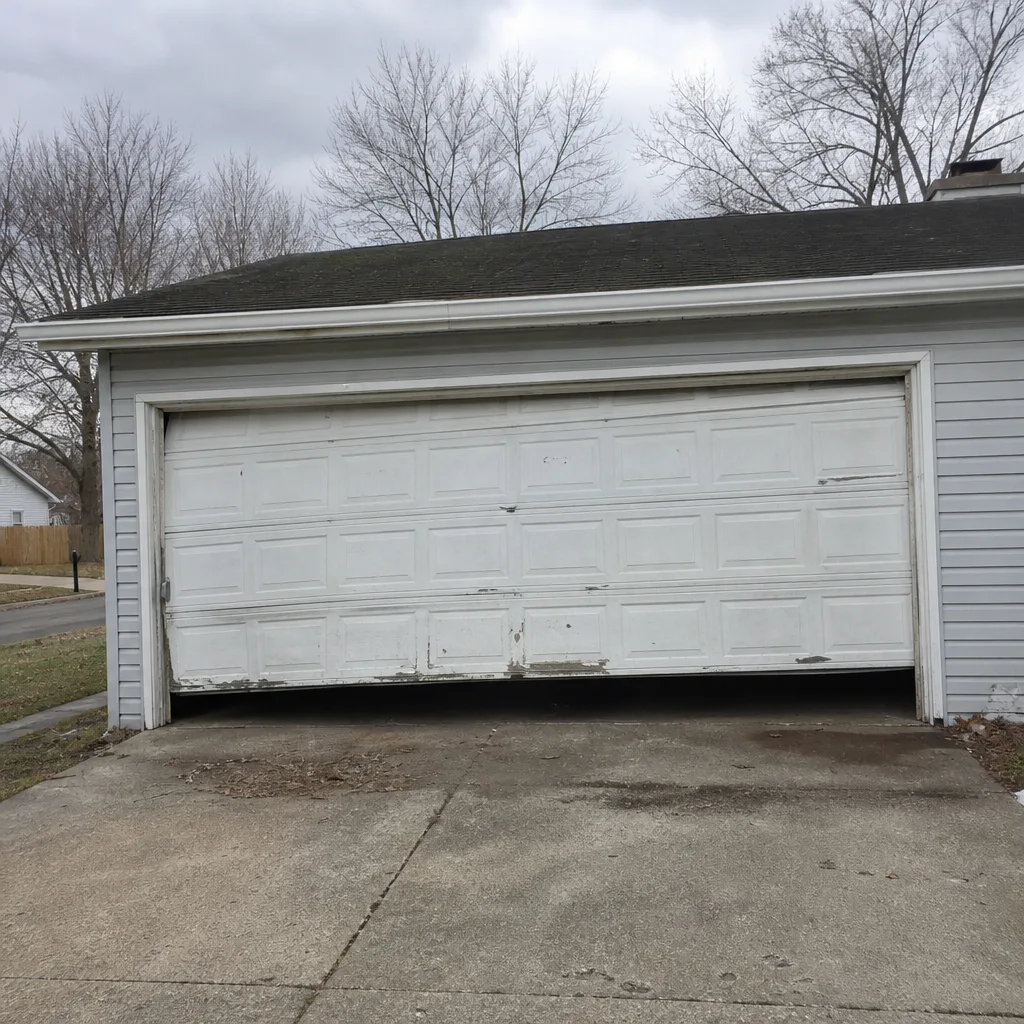 Before
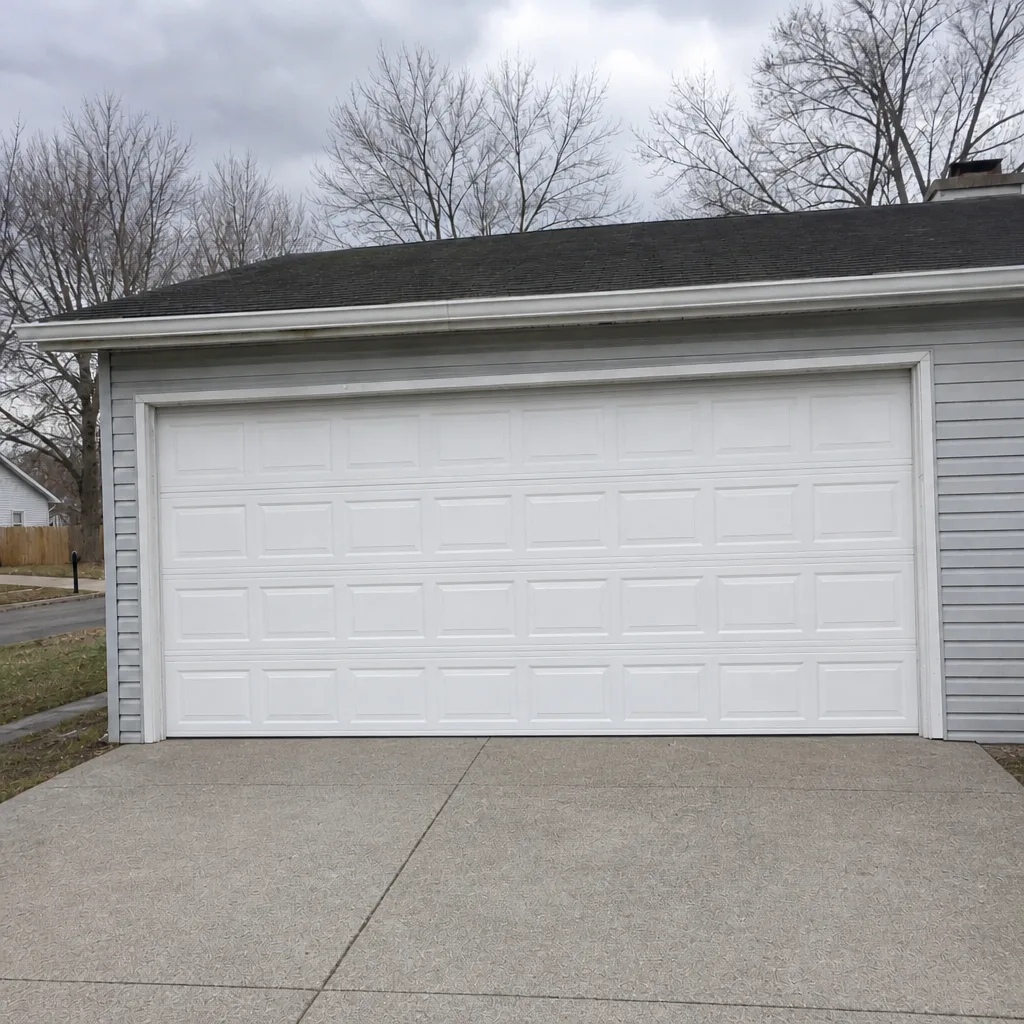 After
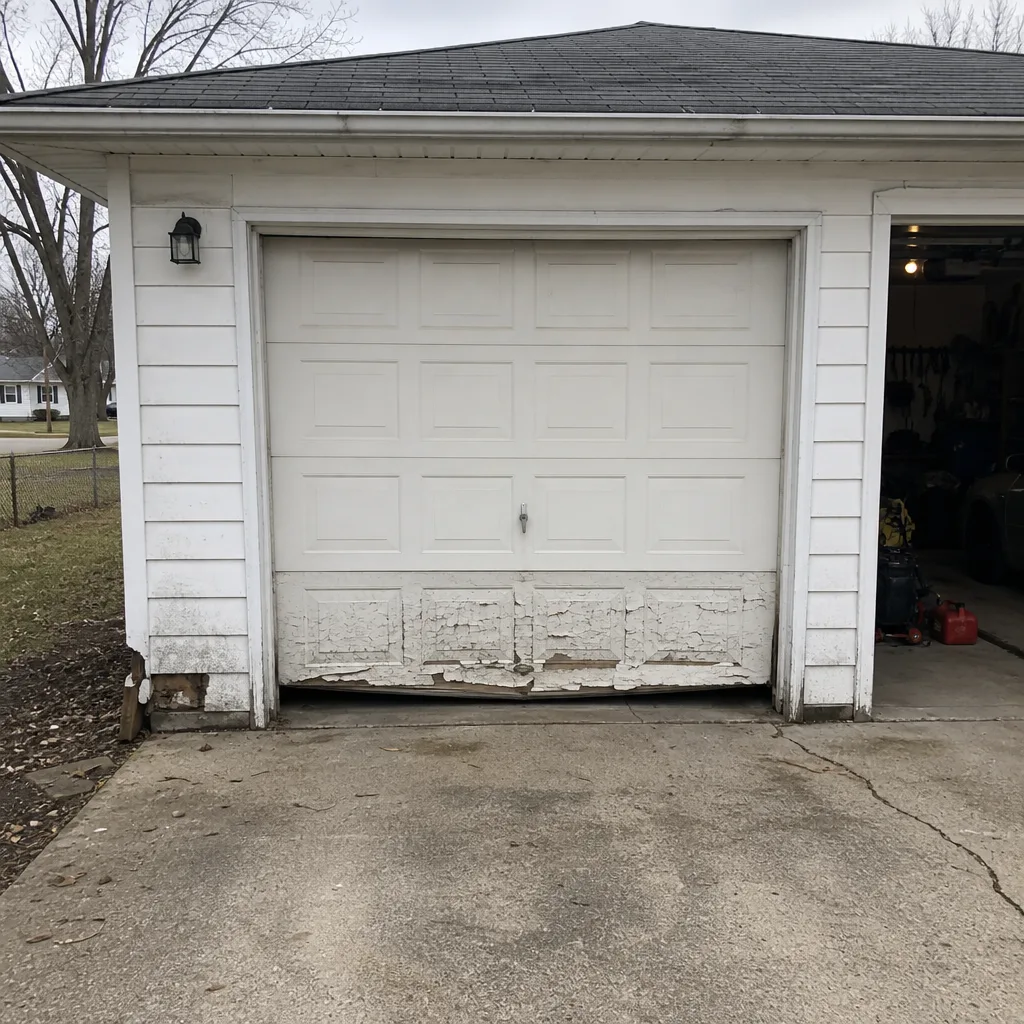 Before
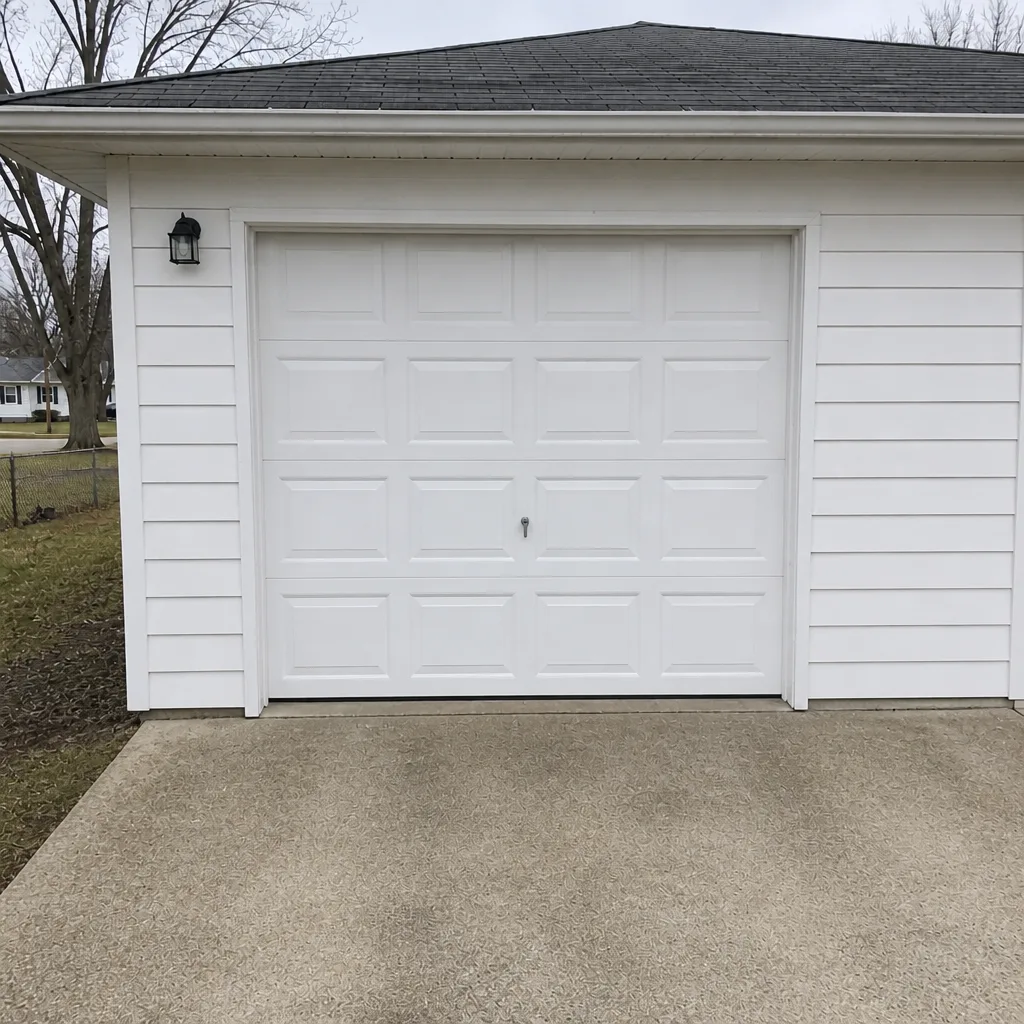 After
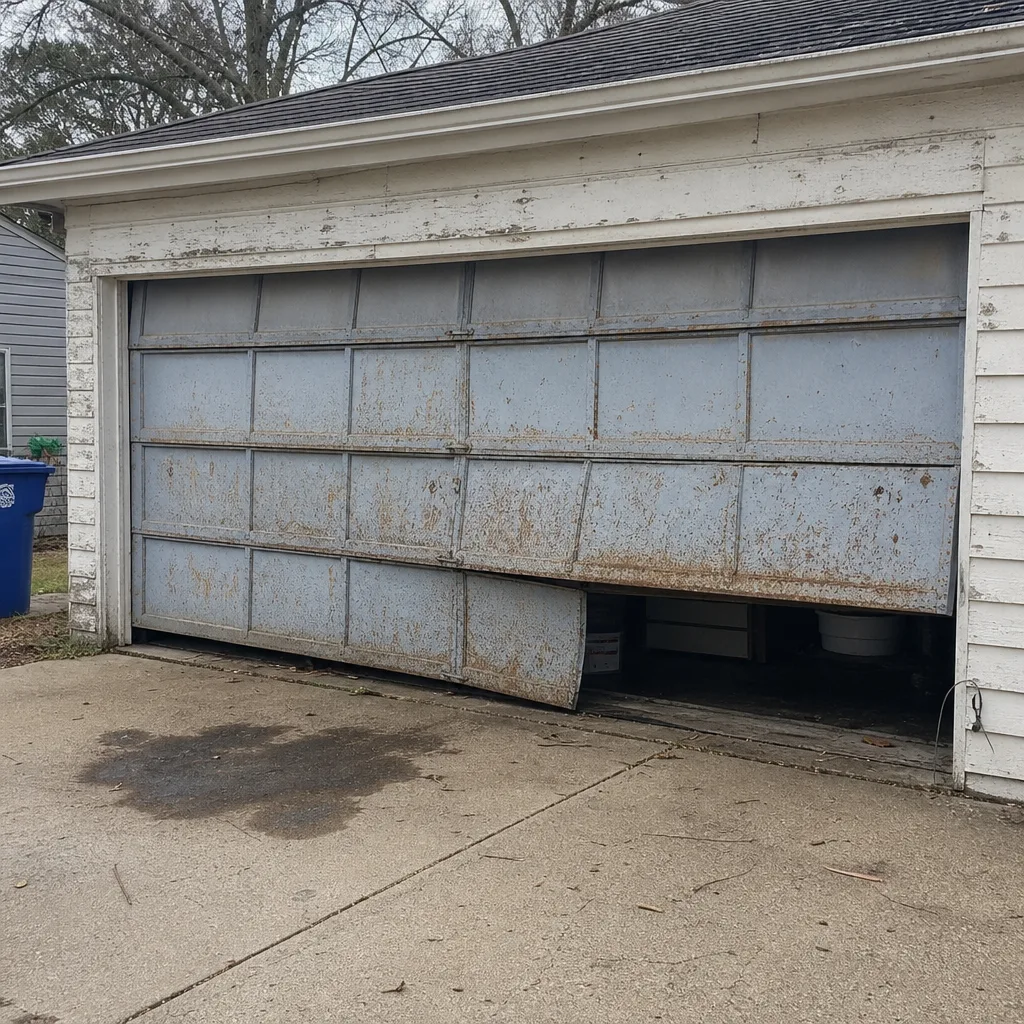 Before
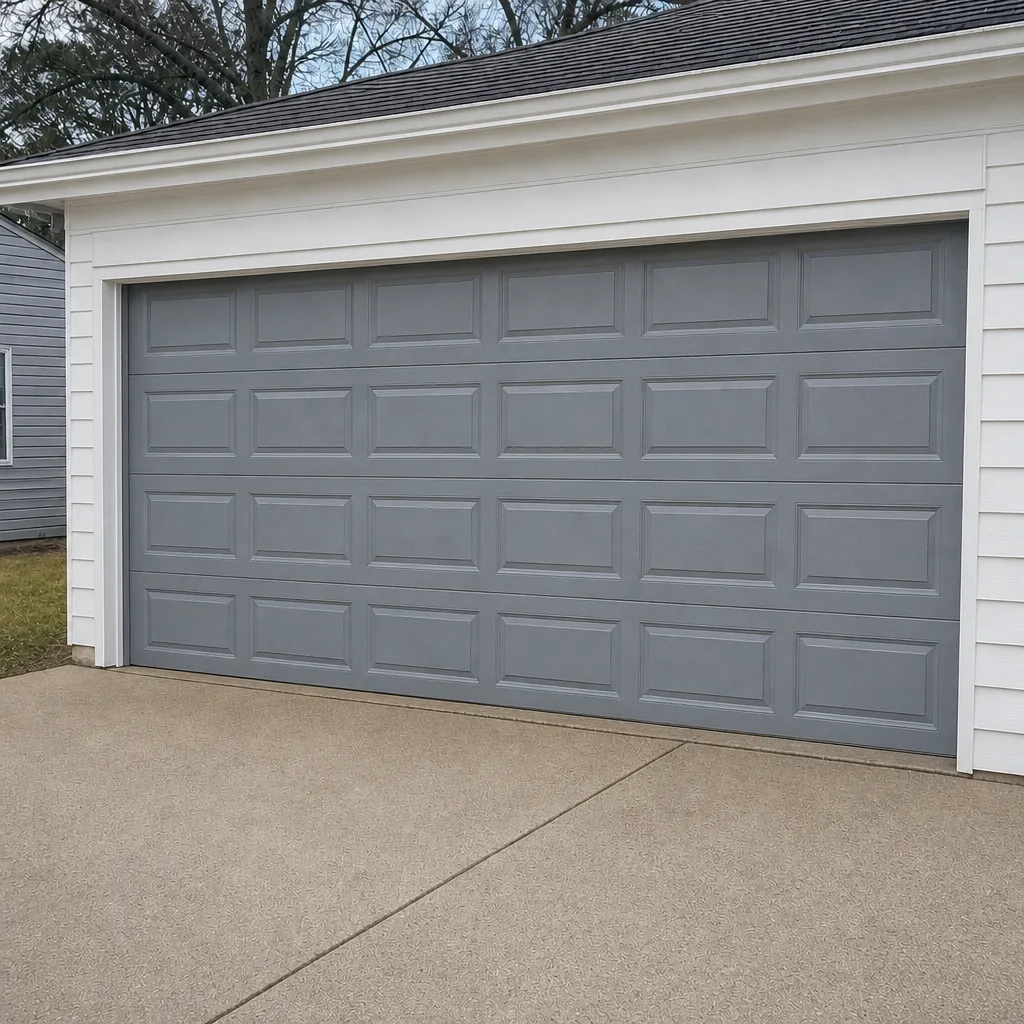 After
When to Call a Professional
Some maintenance belongs in a homeowner’s hands, and some doesn’t. Call a technician when the balance test shows the door dropping or rising on its own, when you hear a loud snap from the garage and the door won’t lift, when the door has visibly sagged or come off one track, when the opener runs but the door doesn’t move, when you see a damaged or frayed cable, or when the door is stuck and you can’t get a car out. Each of those is a scenario where continuing to cycle the door risks more damage or personal injury. Hornbeam Garage Door Repair offers free estimates in Springfield and handles emergency situations when a stuck or broken door becomes a security or access problem. When the door won’t move, we do. Call (866) 558-6357 for a free estimate, and the price is quoted and agreed before any work starts.
Frequently Asked Questions
Twice a year is the right rhythm for most Springfield homes, once in spring after the freeze-thaw season and once in fall before the first hard freeze. Add a monthly safety-reverse test and you’ll catch almost everything early. Doors that get heavy daily use benefit from a third lubrication pass in mid-summer.
No. Leave the springs alone. Even if the spring looks pre-lubricated from the factory, a homeowner shouldn’t be reaching around a wound spring to apply anything. The stored force in a torsion spring is dangerous enough to cause serious injury, and there’s no maintenance benefit worth that risk. Call (866) 558-6357 if you have questions about your springs.
A single broken torsion spring typically runs around $180 to $340 in the Springfield area, and matched pairs are usually replaced together at roughly twice that range. The written estimate sets the final price, and you’ll have it in hand before any work starts. Call (866) 558-6357 for an exact quote, because estimates are free.
Do the balance test first. If the door won’t hold its halfway position, the springs are the likely cause and the opener is being asked to do too much. If the door balances fine but still runs rough, the opener or the hardware is the problem. Either way, a single visit can tell you which it is.
Look for tears, cracking along the fold line, a seal that’s stiff and no longer flexible, or water staining on the garage floor with the door closed. In Springfield’s humidity and freeze-thaw cycle, most bottom seals last a handful of years before they need replacement.
Yes. We service LiftMaster, Chamberlain, Genie, Craftsman, and other major residential openers, and we work on Clopay, Amarr, Wayne Dalton, Raynor, and other door brands too. Being familiar with the brand means faster diagnosis and the correct part the first time, not a substitute that almost fits. Call (866) 558-6357 for a free estimate.
The Bottom Line
Garage door maintenance in Springfield comes down to a short list done consistently: lubricate the right parts, test the balance without touching the springs, keep the weather seals intact against Ohio’s humidity and cold, run the safety-reverse test monthly, and keep a log. That covers the five checks that prevent most service calls, and it keeps the door working through every season the Midwest throws at it. The parts that hold stored energy, the springs and cables, should always go to a trained technician. Our technicians have up to 8 years of experience, and we handle the full range from a broken spring to a full door installation. When the work stops being safe to do yourself, call (866) 558-6357 for a free estimate.
Written by the team at Hornbeam Garage Door Repair.