Last updated November 22, 2026
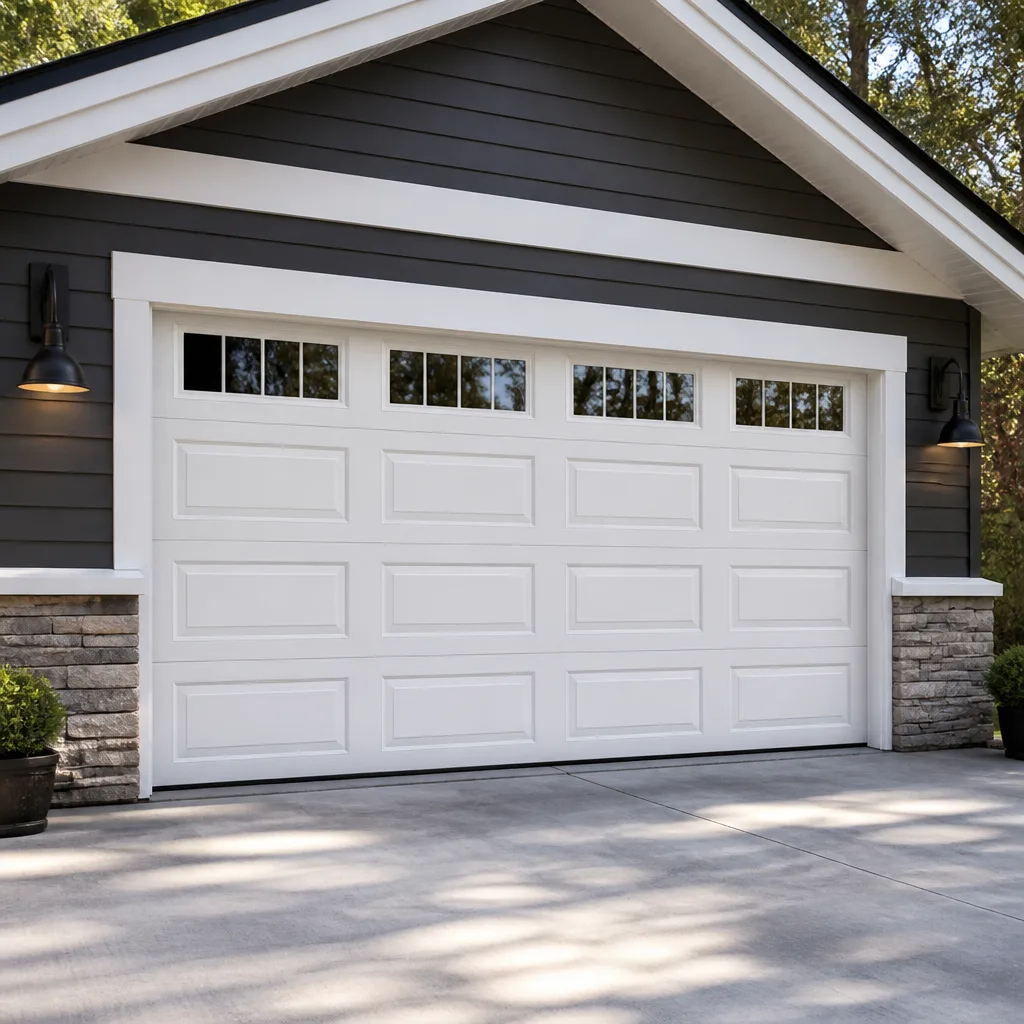 Raised-panel steel
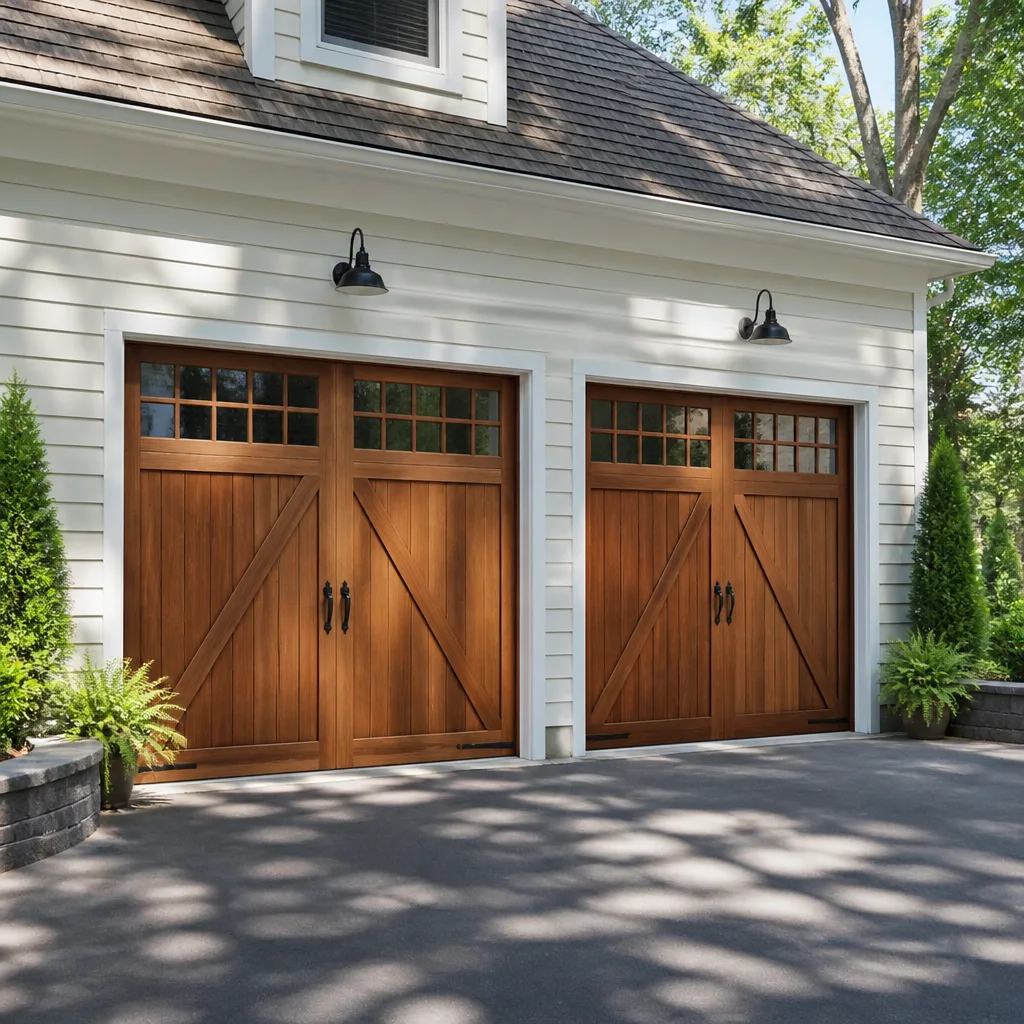 Carriage house
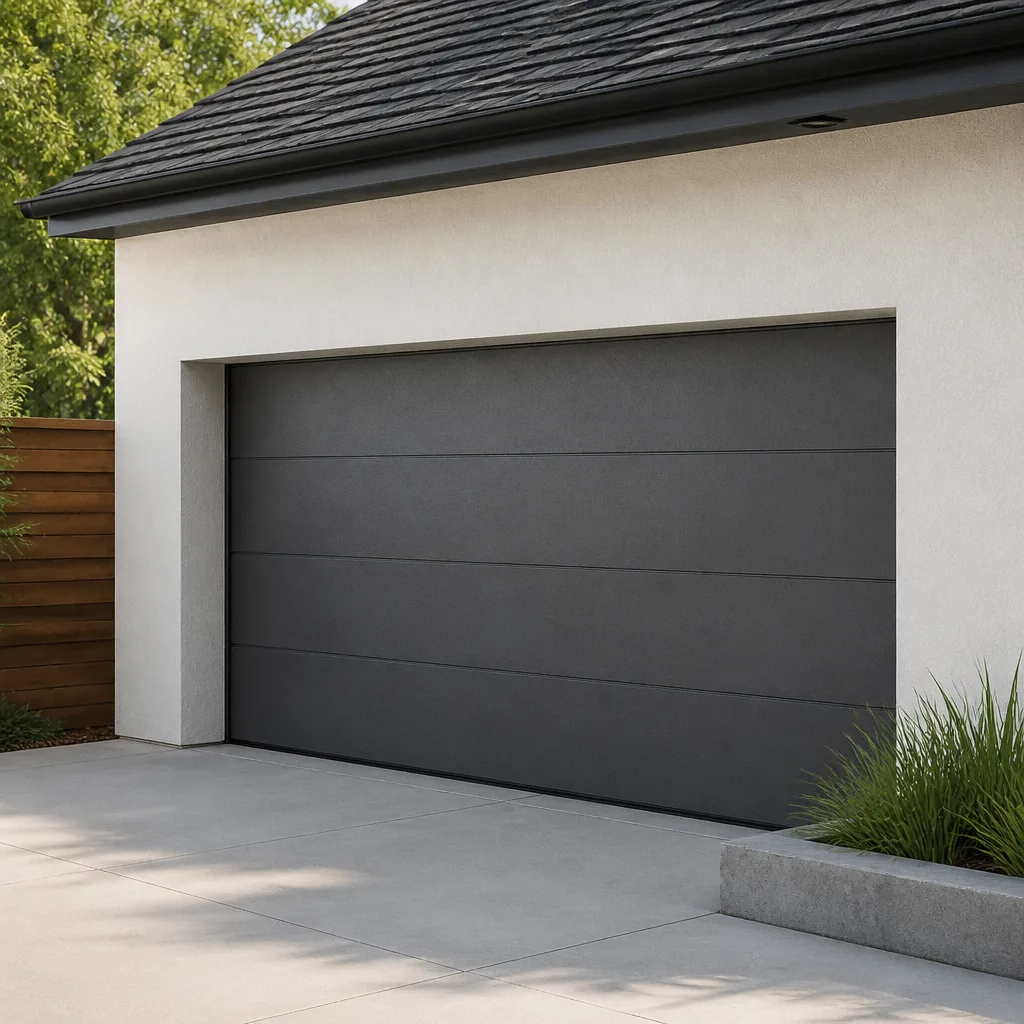 Modern flush
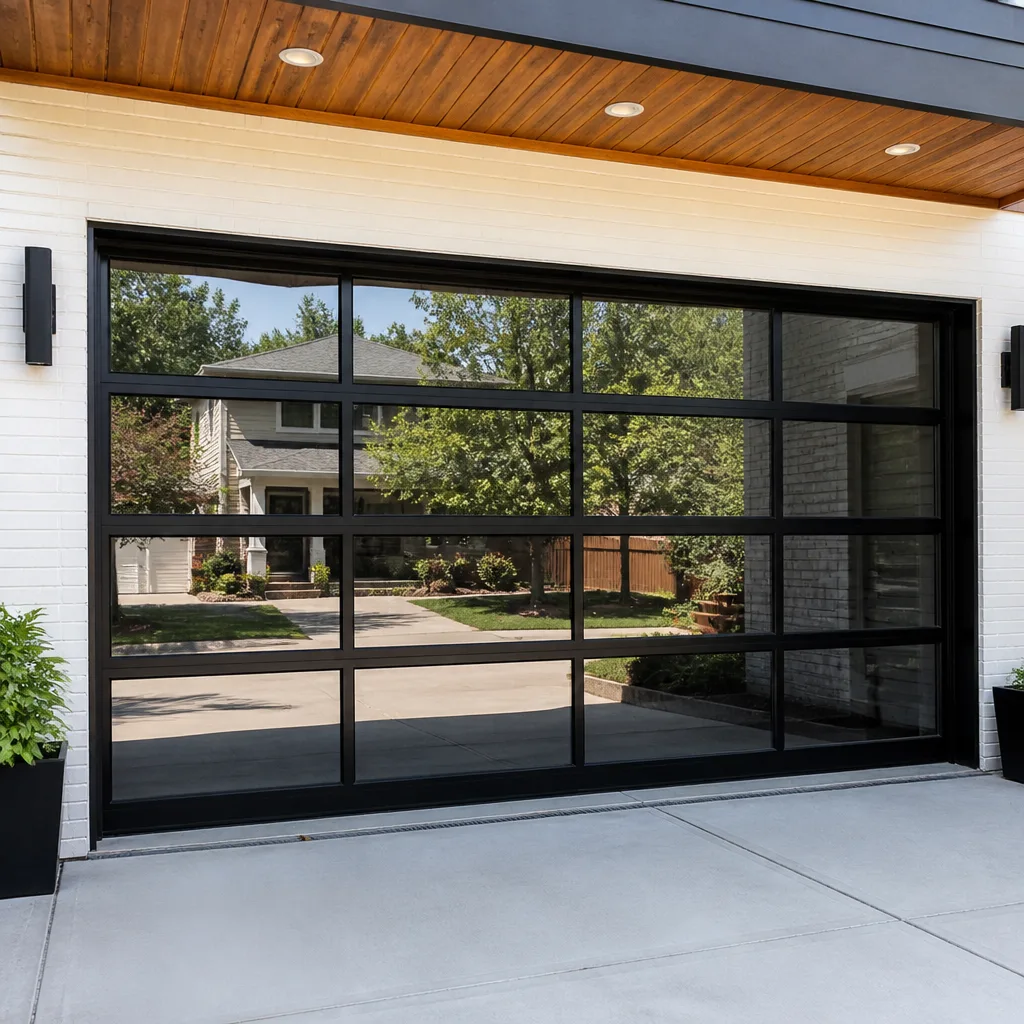 Full-view glass
 LiftMaster openers
 Chamberlain openers
Full 25-point door and opener safety check with every visit - springs, cables, rollers, tracks, and your LiftMaster or Chamberlain opener included
You get a price before we start. It does not change when the pro arrives.
Get your free estimateDIY vs Professional Garage Door: The Springfield Homeowner’s Decision Guide
Most homeowners assume the DIY line falls somewhere around their confidence level. It doesn’t. Torsion springs store enough energy to cause serious injury when they release unexpectedly, and that’s physics, not a scare tactic. Meanwhile, painting a panel, replacing a bottom seal, or reprogramming an opener are genuinely straightforward tasks that don’t require a service call. The real question isn’t whether you’re handy enough. It’s whether the consequence of getting a specific task wrong is something you can absorb. This guide draws the line task by task, with Springfield conditions in mind, so you can decide what to keep on your own list and what to hand off.
Quick Answer
In Springfield, most garage door upkeep is homeowner-appropriate: lubrication, seal replacement, panel painting, safety-eye alignment, and opener reprogramming. High-tension work (torsion springs, cables, drums), track realignment after an impact, and opener drive-train repairs belong with a trained technician, because a mistake there can injure you or turn a modest repair into a full door replacement. The typical split is roughly 4 easy jobs for every 1 job that should go to a professional.
Styles & brands we work with
- Raised-panel steel
- Carriage house
- Modern flush
- Full-view glass
- LiftMaster openers
- Chamberlain openers
Table of Contents
- Where the DIY Line Actually Falls
- Tasks That Are Genuinely Homeowner-Appropriate
- Why Torsion Spring Work Is Not a DIY Job
- The DIY Tasks That Actually Save Money in Springfield
- How to Tell If a Previous DIY Attempt Caused a Problem
- The Honest Cost Comparison
- Springfield Weather, Housing, and How It Affects Garage Doors
- Common Mistakes to Avoid
- When to Call a Professional
Where the DIY Line Actually Falls
The DIY line for garage doors isn’t horizontal. It’s vertical, and it’s determined by stored energy. Anything you can touch with the door down and the spring system at rest is generally yours to handle. Anything that requires you to unload or adjust a torsion spring, unwind a cable, or work directly above your head with stored tension is not.
Here’s the categorical split we walk Springfield homeowners through when they call asking whether to attempt something themselves:
- Homeowner-appropriate: Lubrication, seal replacement, panel painting, opener programming, photo-eye alignment, general cleaning, visual inspections, minor cosmetic fixes.
- Borderline: Roller replacement (safe but tedious), hinge swaps (safe if the door is fully down and springs at rest), bottom bracket inspection (look only, don’t loosen).
- Professional-only: Torsion spring replacement, extension spring replacement, cable replacement, drum replacement, track realignment after impact, opener drive-train and logic board repair, panel replacement on a misaligned frame.
The misconception worth correcting is that borderline tasks are automatically safe. Hinges and rollers are fine to swap if you understand that the bottom bracket holds cable tension, and if you leave it alone. The moment a homeowner loosens a bottom bracket to make a roller job easier, they’ve turned a $30 project into a wound or a repair call. In Springfield, we see this most on older doors where the hardware has rusted together from years of humid summers and cold snaps, so the bracket that “just needs a little nudge” comes off with far more energy behind it than expected.
What you learn from this guide is where each task falls, how to spot the sign you’ve wandered past your lane, and what a mistake on the wrong side of that line typically costs to correct. You’ll also get the honest cost math on the jobs worth doing yourself and the jobs worth calling in, so the decision is grounded in numbers instead of nerves.
Tasks That Are Genuinely Homeowner-Appropriate
A meaningful share of garage door maintenance is straightforward work that takes under an hour and requires no special tools. These are the five we’d tell a Springfield neighbor to keep on their own list:
- Lubricate the moving parts. Apply a garage-door-rated lubricant (not WD-40, which attracts dust) to the rollers, hinges, and torsion spring coils about twice a year. This quiets the door and extends hardware life.
- Replace the bottom seal. The rubber strip along the bottom of the door wears out and starts letting in drafts. A replacement seal slides or screws into the retainer and costs little. No spring tension involved.
- Paint or stain panels. A faded or rust-spotted panel can be sanded, primed, and painted with exterior-grade paint made for metal or wood, as appropriate to your door. This is one of the highest-value cosmetic projects in the trade.
- Align and clean the photo-eye safety sensors. If the door reverses immediately after starting to close, look at the two small sensors near the floor on either side. Wipe the lenses, check that both LEDs are solid, and adjust them until they face each other squarely.
- Reprogram remotes and keypads. Whether your opener is a Chamberlain, Genie, or another brand, the manual or the manufacturer’s programming sequence walks you through pairing a new remote. It’s a button sequence, not a mechanical job.
Visual inspection fits here too. Once a month, with the door closed, look at the springs (for gaps or visible rust), the cables (for fraying), the track (for dents or bowing), and the rollers (for flat spots). You’re not fixing anything during a walk-around. You’re noticing things early, which is exactly when repairs are cheapest. Springfield winters push doors through dozens of freeze-thaw cycles, and the hardware that fails in February usually showed its first warning signs in November. If your walk-around turns up something that gives you pause, our garage door repair technicians can take a look and tell you plainly what’s wear and what’s urgent, and then get a written price agreed before any work starts.
Why Torsion Spring Work Is Not a DIY Job
Torsion springs are the horizontal coil above the door. When the door is closed, the spring is under load, wound tight around a steel shaft, holding hundreds of pounds of counterbalance tension ready to release when the door opens. That stored energy is what makes the door lift with one hand, and it’s also why you cannot safely work on a torsion spring without the right winding bars and the experience to know what “wound to the correct tension” feels like.
Here’s the mechanical reason it’s different from other repairs. The spring isn’t broken or intact in a binary way during removal. It’s a wound coil that must be unwound in controlled increments, often while standing on a ladder with the winding bar seated in the cone, and any slip or loss of grip releases that energy in an instant. There’s no lever, tool, or trick that lets you absorb that. Professional technicians use tools and procedures designed for exactly this load, and even then, the work is treated with the care it deserves.
We handle garage door spring repair as a core specialty for exactly this reason. It’s the highest-risk job in the trade, and it demands the kind of focus you don’t want a homeowner improvising through on a Saturday afternoon. Spring pricing runs about $180 to $340 for a single spring, and a matched pair (which is usually the right call when one fails, since both are the same age and load) runs about twice that. Those are estimates; the written quote you get before any work starts is the number that counts.
The mechanical explanation matters here more than any warning label. A torsion spring at rest holds thousands of inch-pounds of torque. The winding bars are the only safe interface with that torque, and using anything else (an extension, a screwdriver, a scrap of rebar) means the point of contact can fail without warning. We’ve seen the aftermath of that specific shortcut more than once, and it never ends with just a broken spring.
The DIY Tasks That Actually Save Money in Springfield
Not all DIY saves the same amount. Some tasks look cheap to do yourself but cost more later if you get them wrong, and some genuinely do put money back in your pocket with zero risk. The real savings list is short and specific:
- Lubrication: a $6 can of garage-door lubricant, twice a year, can extend roller and hinge life by years. That’s a real savings on hardware down the road.
- Bottom seal replacement: a $20 to $40 seal job keeps out the cold, the rain, and the insects, and it protects the door’s bottom panel from rusting along the edge.
- Painting: a weekend of prep and paint costs under $100 in materials and delays a $2,000-plus door replacement for years.
- Sensor alignment and cleaning: free, five-minute job that solves most “door reverses immediately” calls before they happen.
- Opener programming: new remotes and keypads pair in minutes without a service call, provided you have the manual or can look up the model.
Where DIY actually costs more, in Springfield and just about everywhere: changing your own spring (dangerous, and a spring wound to the wrong tension shortens the lifespan of the door and opener), attempting a cable replacement (the second most dangerous job in the trade), and forcing a stuck door up with a pry bar (which bends tracks and can crack panels). These aren’t savings. They’re deferring a bigger bill.
One local wrinkle worth knowing: in Springfield’s older homes, many garage doors sit on uneven concrete slabs that throw the bottom seal out of level, so a straightforward seal replacement can turn into a bigger job once you see the gap. That’s still homeowner work if you’re replacing the seal; you just may need a thicker seal or a shimmed retainer. If the door is visibly cocked in the opening when closed, though, that’s a track or spring problem, not a seal problem, and it goes to a professional.
How to Tell If a Previous DIY Attempt Caused a Problem
When we arrive at a garage door that’s misbehaving, the first question isn’t always “what failed?” It’s often “what was attempted?” A prior DIY repair can leave a door functioning badly in ways the current homeowner didn’t cause and doesn’t recognize. Here’s what trained technicians look for, and what you can check yourself before calling:
- Mismatched springs. If the spring on one side is a different size, gauge, or age than the other, someone replaced one and not the pair. The door will lift unevenly and wear both springs faster.
- Winding cone marks. Fresh gouges or paint chips on the winding cones suggest a spring was worked on with the wrong tool.
- Track bolts not torqued evenly. Hand-tightened bolts on a track can loosen within weeks, throwing the door off-level.
- Rollers seated incorrectly. A roller that’s been forced into a hinge, or a hinge bent during a roller swap, will cause a rhythmic thunk as the door travels.
- Opener force settings turned up. A homeowner frustrated by a binding door sometimes adjusts the opener’s force limit instead of the real problem. If your opener is set to maximum force to close the door, the door itself needs attention.
- Screws in the wrong holes in the hinge plate. Visible evidence that hardware was removed and reinstalled without following the original pattern.
You can check two of these yourself: eyeball the springs for size and age (they should match), and watch the door travel with the opener disconnected from the door (pull the red emergency release). If the door moves roughly or the springs look mismatched, call a technician. In our experience, being upfront about “we tried this ourselves and it didn’t work” gets a faster, cleaner diagnosis than staying quiet about it. We also see plenty of Springfield doors where a minor panel impact was left to “settle” and the door has since drifted out of alignment at the track, which is a repair, not a replacement, if caught early.
The Honest Cost Comparison
Here’s the cost math, task by task. These are typical Springfield-market ranges we share when homeowners ask; the written quote is the final number and is agreed before any work starts.
| Task | Typical DIY cost | Typical professional estimate | Verdict |
|---|---|---|---|
| Bottom seal replacement | $20 – $40 (materials) | $120 – $220 installed | DIY if the floor is level |
| Panel painting | $40 – $100 (materials) | $250 – $600 | DIY if the panel is intact |
| Opener remote programming | $0 (new remote $20 – $45) | $90 – $150 | DIY |
| Sensor alignment | $0 | $90 – $150 | DIY |
| Single torsion spring replacement | Not recommended | $180 – $340 per spring | Professional |
| Matched pair of torsion springs | Not recommended | About twice the single-spring estimate | Professional |
| Cable replacement | Not recommended | $150 – $300 | Professional |
| Track realignment after impact | Not recommended | $150 – $350 | Professional |
| Opener repair (motor or logic board) | Not recommended | $150 – $350, depends on diagnosis | Professional |
The math on a botched DIY spring job is the honest one: a homeowner who attempts a torsion spring and gets hurt pays far more than any repair. One who bends the spring, damages a winding cone, or cracks a drum from a mishandled release typically turns a $180 – $340 spring job into a track-and-hardware repair on top of it. One who bends the door panel from a torqued-off roller swap may find themselves looking at a panel replacement or full door. Those aren’t hypotheticals; they’re the calls we field.
The good news for Springfield’s budget-conscious homeowners is that the DIY-appropriate jobs are the ones that save the most over time. Seal replacement, painting, and lubrication each prevent more expensive work. The jobs that look like “big” savings to attempt yourself (springs, cables, tracks) are the ones where a mistake adds cost, not removes it.
Springfield Weather, Housing, and How It Affects Garage Doors
Springfield sits in west-central Ohio, where the garage door sees the full range of the climate in a single year: humid summers with afternoon thunderstorms, winters with freeze-thaw cycling, and spring and fall with swings from warm to near-freezing within days. That climate shapes which DIY jobs are genuinely worth doing and when.
Spring freeze-thaw cycling is hard on metal hardware. Expansion and contraction work loose the bolts that hold the track and hinges in place, and they’re the reason a door that ran quietly in October sounds different by March. Lubrication is the highest-payoff DIY task in Springfield because it directly counteracts the friction that freeze-thaw creates. Replacing the bottom seal before the first frost, not after, is the other one. And painting a door in late spring or early fall (not in the middle of an Ohio summer, when the humidity slows curing and the paint can blister) gets the longest life out of the coating.
Springfield’s housing stock is mixed, from older homes near downtown and the established neighborhoods around Ridgewood and the near east side to newer construction on the city’s north and west edges. The older doors tend to have fewer safety features (no photo-eyes, no auto-reverse) and more wear on the springs and cables. The newer doors are often on smart openers from brands like Chamberlain or Genie, which makes programming and phone pairing the most common owner question. That brand familiarity matters in our work; our technicians know all major residential systems and can work on LiftMaster, Chamberlain, Genie, Clopay, Amarr, Wayne Dalton, Craftsman, and Raynor, so a homeowner with a mixed-system door isn’t stuck with whoever services one brand.
What does this look like in practice? A Springfield homeowner dealing with a door that’s louder in winter than summer has a lubricant-and-inspection problem, and that’s a fifteen-minute DIY win. One dealing with a door that scrapes the frame after a cold snap has a track problem, and that’s a call.
Common Mistakes to Avoid
- Forcing a stuck door with a pry bar. If the door won’t open, the problem is in the spring, cable, or opener. Forcing it bends the tracks and can crack the panels. Call a technician; it’s cheaper than a new track set.
- Using WD-40 as a lubricant. It’s a solvent, not a lubricant, so it strips the grease off the rollers and hinges and leaves them dry. Use a product labeled specifically for garage doors.
- Breaking a spring pair by replacing only one. Springs are under matched load; replacing just the broken one throws the balance off, shortens the life of both, and accelerates door wear.
- Overtightening bolts on the track. Springfield’s freeze-thaw cycles already work the track loose. Hand-torque only to the existing snugness, and leave the track repositioning to a technician.
- Raising the opener’s force limit to compensate for a binding door. That masks a real problem (usually a track, spring, or roller issue) and stresses the opener motor. Diagnose the door first.
- Painting over rusted spots without prepping. Springfield’s humidity makes rust spread under a fresh coat; sand to bare metal, prime, then paint, or the new coating will peel within a season.
- Believing an old door is “too old to matter.” Pre-1993 doors without auto-reverse are a genuine safety concern, particularly in homes with young children or pets. Replacing the opener logic is worth the call, even on a door that otherwise works.
When to Call a Professional
Call a professional when the task involves stored energy you can’t see (torsion springs, cables, drums), when the door is off-level or scraping after an impact, or when an opener is making the door work to close. Also call when a prior repair left hardware visibly mismatched or the door moves unevenly through its travel. In Springfield, we get plenty of calls for doors that are too loud, too stiff, or too slow in cold weather, and most of those are simpler and cheaper to fix than the homeowner expects. Hornbeam Garage Door Repair offers free estimates in Springfield, and we’ll tell you plainly whether the job is worth doing yourself or one we should handle. Our technicians have up to 8 years of experience, and we perform garage door opener repair across all major brands and drive systems, including Chamberlain and Genie smart openers. Call (866) 558-6357 for a free estimate.
See the difference
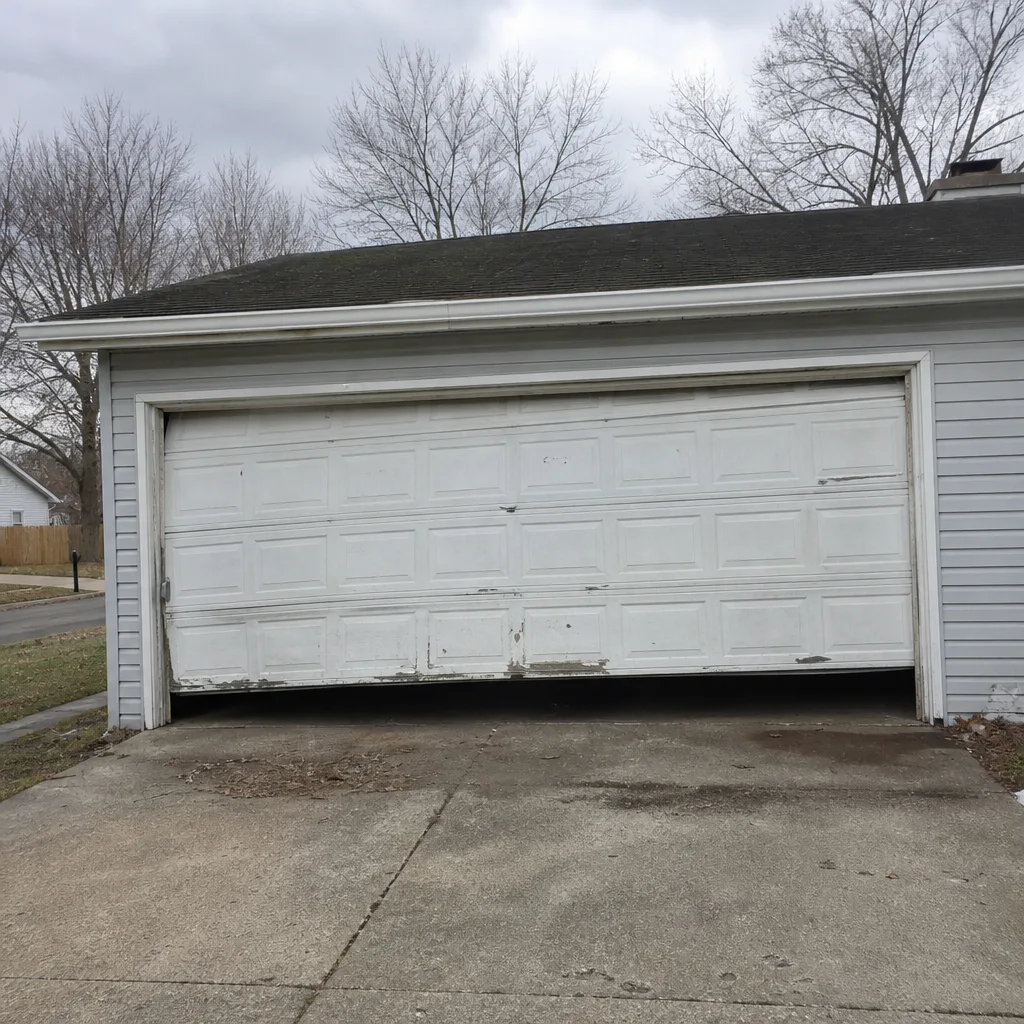 Before
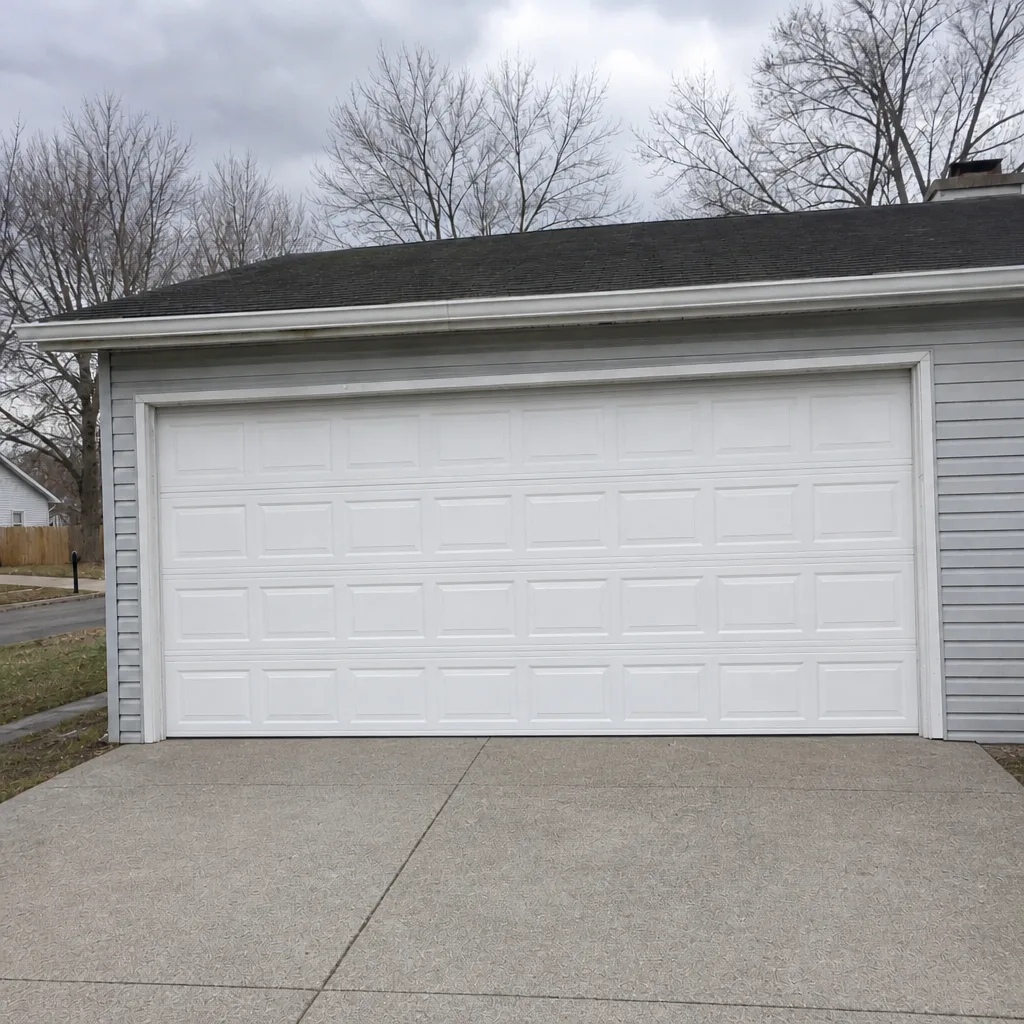 After
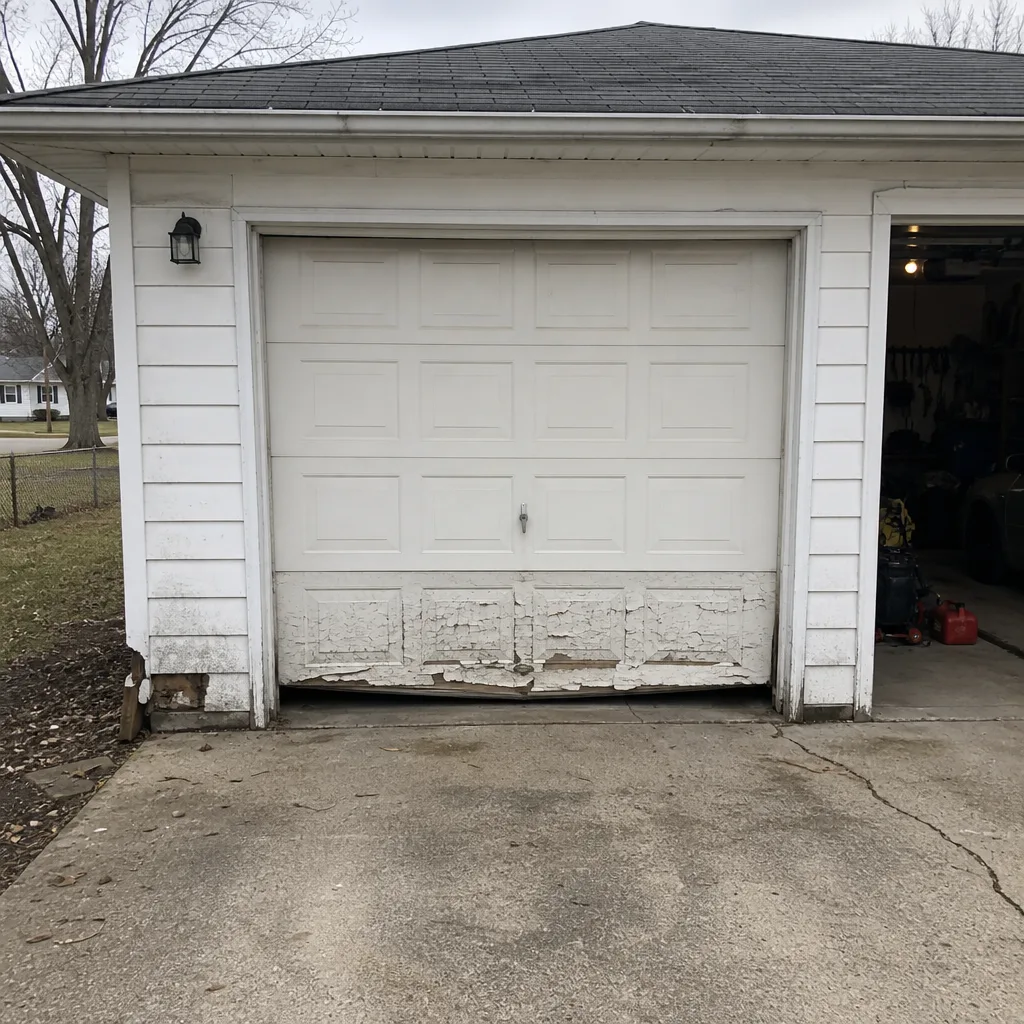 Before
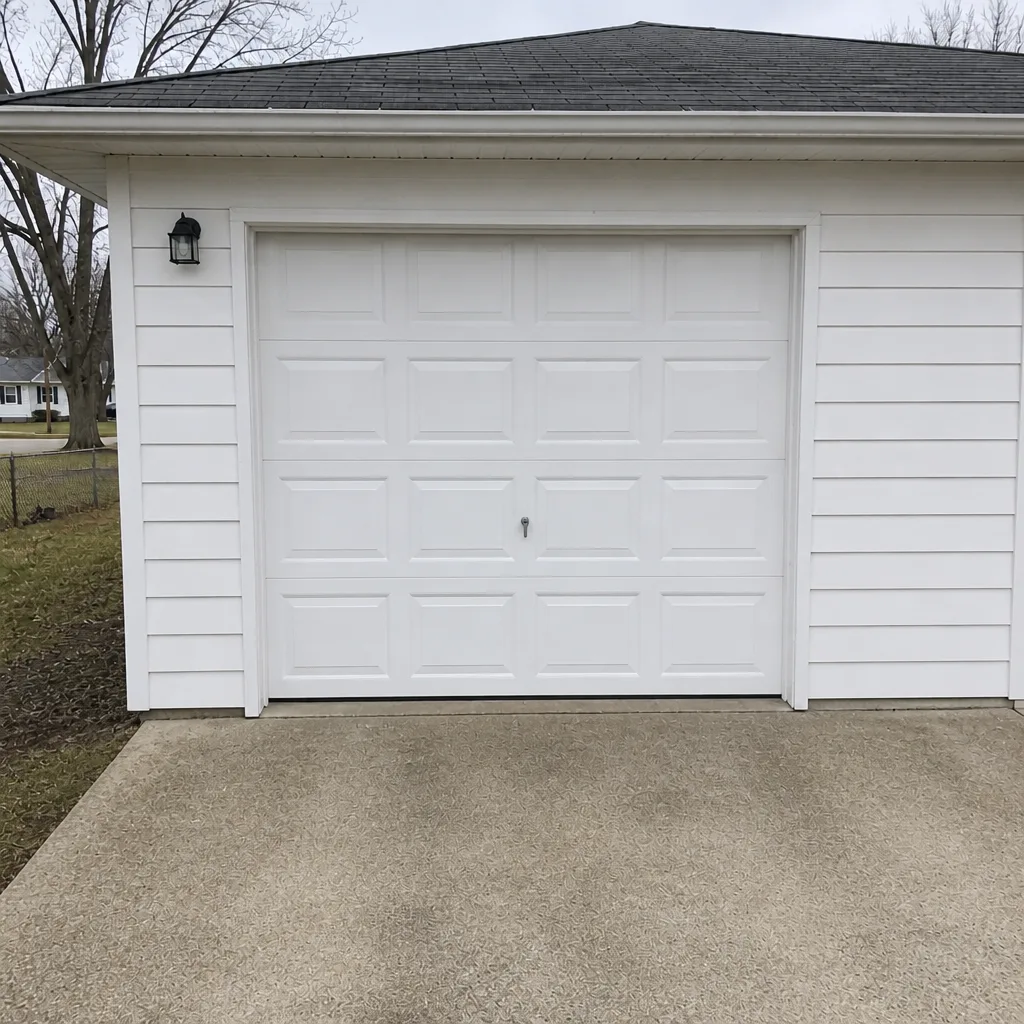 After
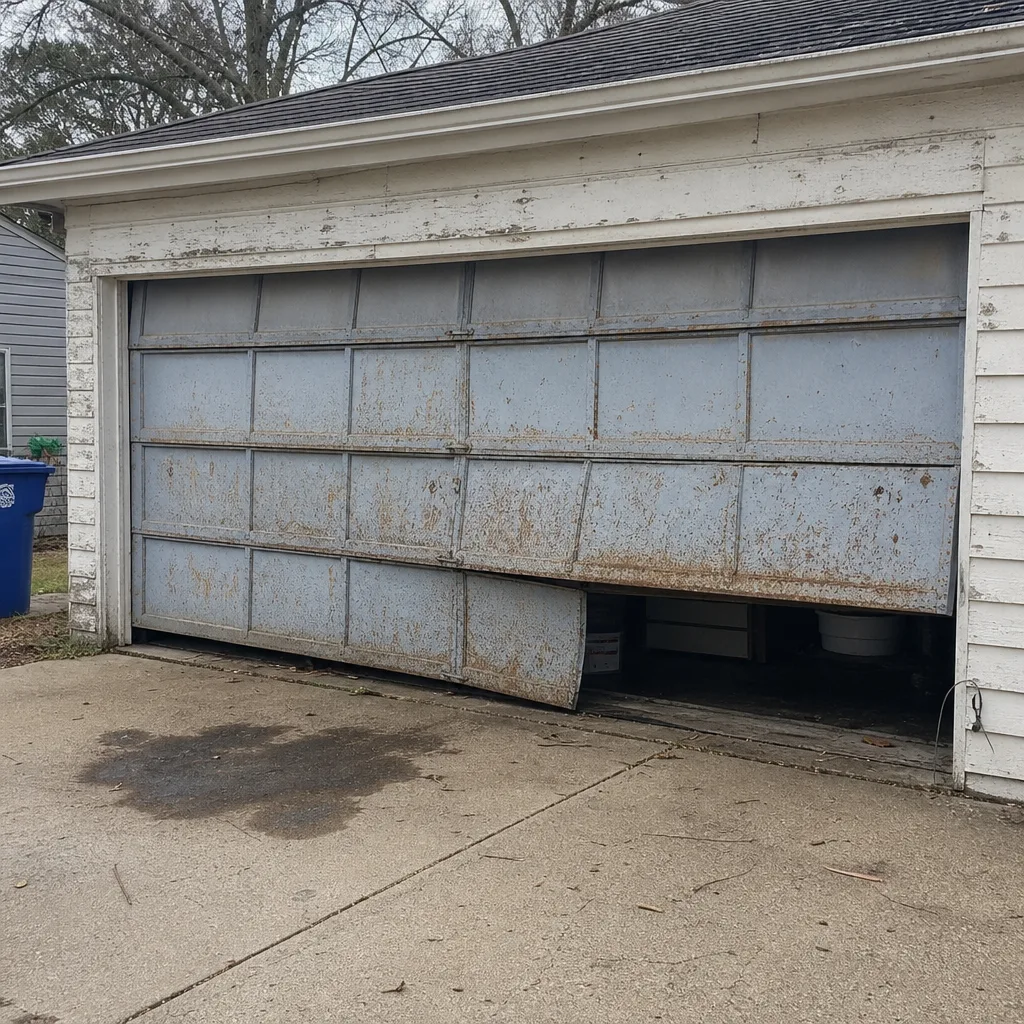 Before
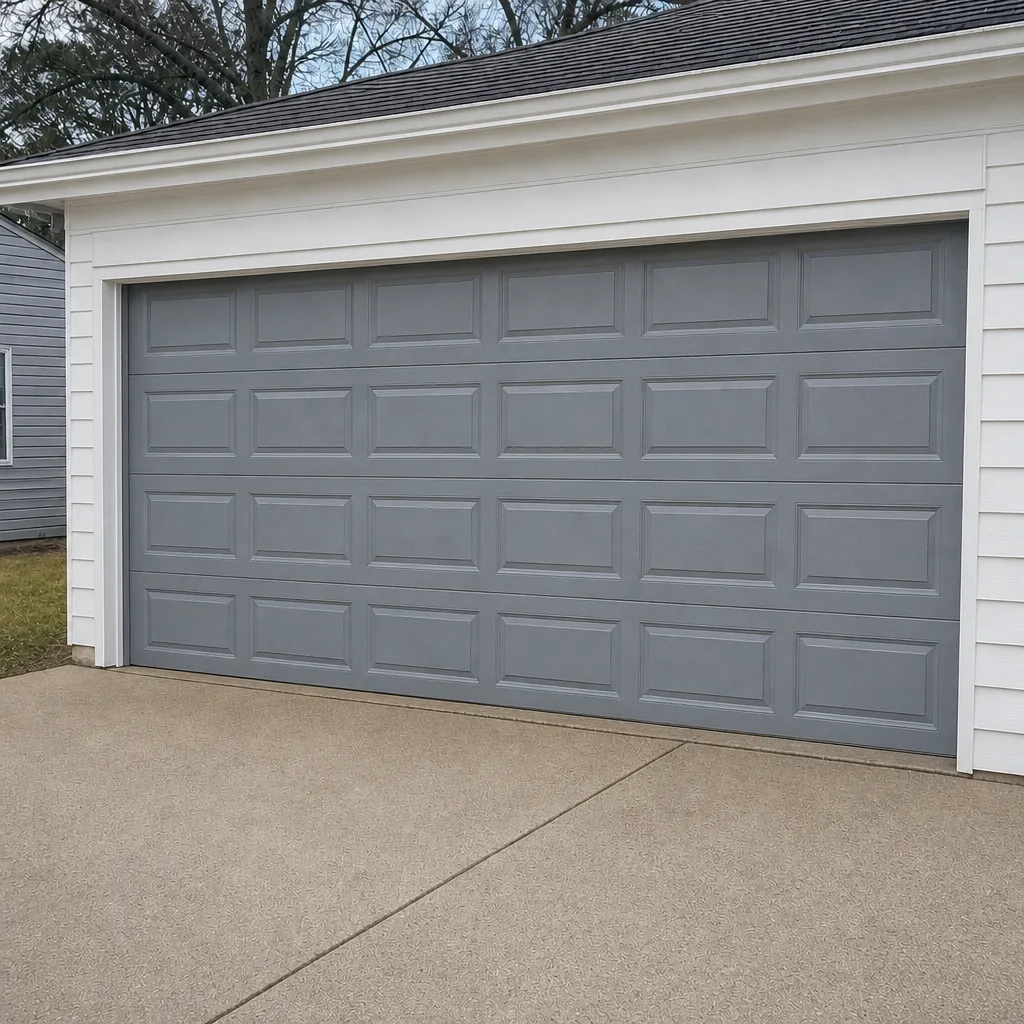 After
Frequently Asked Questions
No. Torsion springs store enough energy to cause serious injury when they release unexpectedly, and the work requires specialized winding bars and techniques. A trained professional can do it safely for a typical estimate of $180 – $340 per spring, and a matched pair runs about twice that. The safety math beats the DIY savings every time. Call (866) 558-6357 for a free estimate.
For homeowner-appropriate jobs, DIY saves real money: seal replacement and painting avoid $200 – $500 or more in service charges, and sensor or remote programming avoids roughly $90 – $150. For springs and cables, DIY doesn’t save; it risks injury and adds to the bill. Call (866) 558-6357 for a free estimate.
Lubrication, bottom seal replacement, panel painting, photo-eye cleaning and alignment, opener remote programming, and visual inspections with the door closed and springs at rest. All five are safe if you keep the hardware in place and never loosen a bottom bracket or winding cone. If a task requires touching the spring system, hand it to a professional.
The door reverses immediately on closing, the opener runs but the door doesn’t move, the door is noticeably uneven, the springs look mismatched or visibly rusted through, or the track is bent or out of square. Any of these should go to a technician. Call (866) 558-6357 for a free estimate in Springfield.
No. The written quote you get before any work starts is the number you pay, unless you ask for additional work to be done. Our technicians inspect the door, explain what they find, and give you a clear price to approve before touching a single bolt. If the diagnosis changes what needs doing, you hear about it first and approve it, or you don’t.
The local professionals we connect Springfield homeowners with are licensed and insured as the state of Ohio requires. Every job we quote is performed by an experienced technician, and our technicians have up to 8 years of experience. The price is quoted and agreed before any work begins. Call (866) 558-6357 for a free estimate.
The Bottom Line
Garage door DIY is not all-or-nothing. Lubrication, seal replacement, painting, sensor alignment, and opener programming are genuinely homeowner-appropriate tasks that add up to real savings over time, especially in Springfield’s freeze-thaw climate where these jobs directly counteract wear. Torsion springs, cables, track realignment after impact, and opener drive-train repair belong with a trained professional, because a mistake there can injure you and turn a modest repair bill into a door replacement. The line is drawn by stored energy and mechanical loads, not by how handy you feel. Do the five jobs on the safe list, watch for the signs a prior repair went sideways, and call a technician for the rest. Most Springfield homeowners find that keeping the easy stuff in-house and handing off the risky jobs is the cheapest path over a door’s life.
When the door won’t move or you’re not sure what’s wrong, we’re ready. Call (866) 558-6357 for a free estimate from Hornbeam Garage Door Repair, and we’ll tell you plainly what’s wear, what’s urgent, and what’s worth doing yourself.
Written by the team at Hornbeam Garage Door Repair.