Last updated November 22, 2026
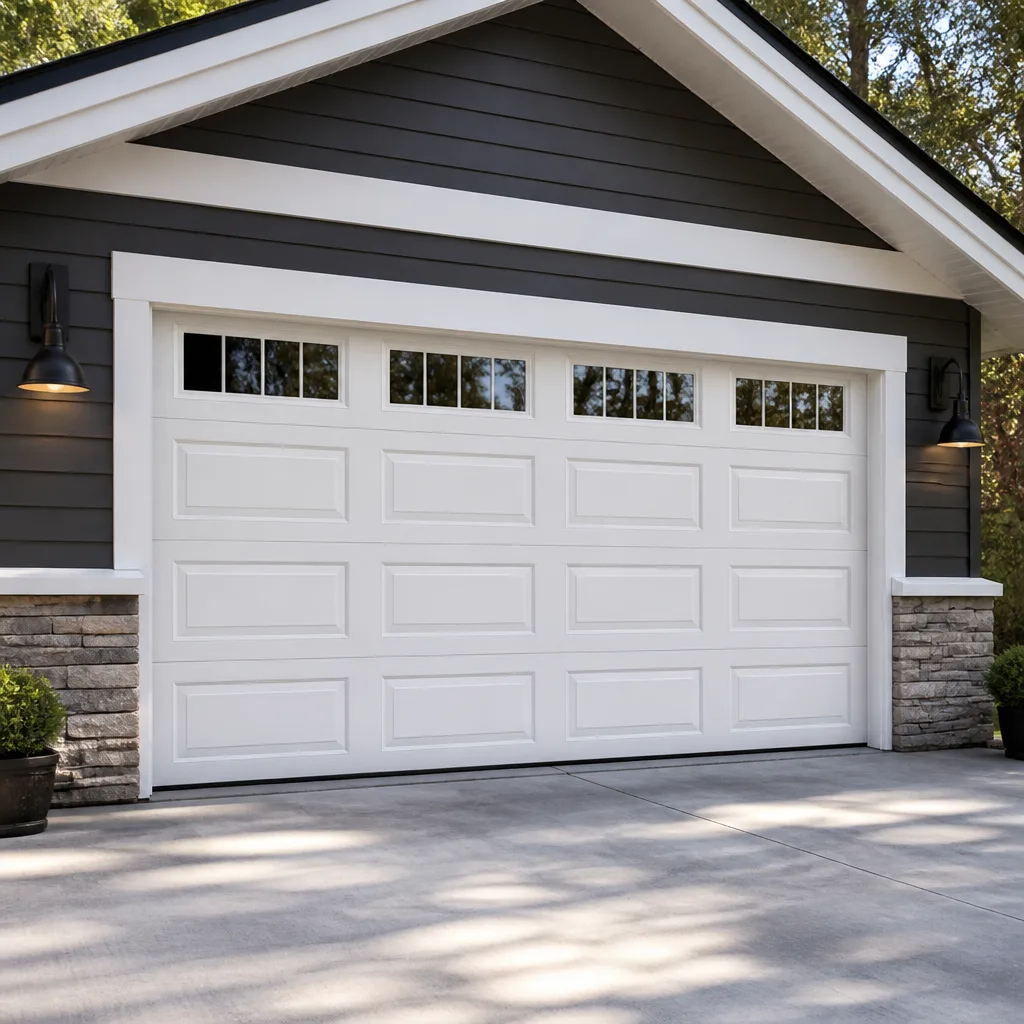 Raised-panel steel
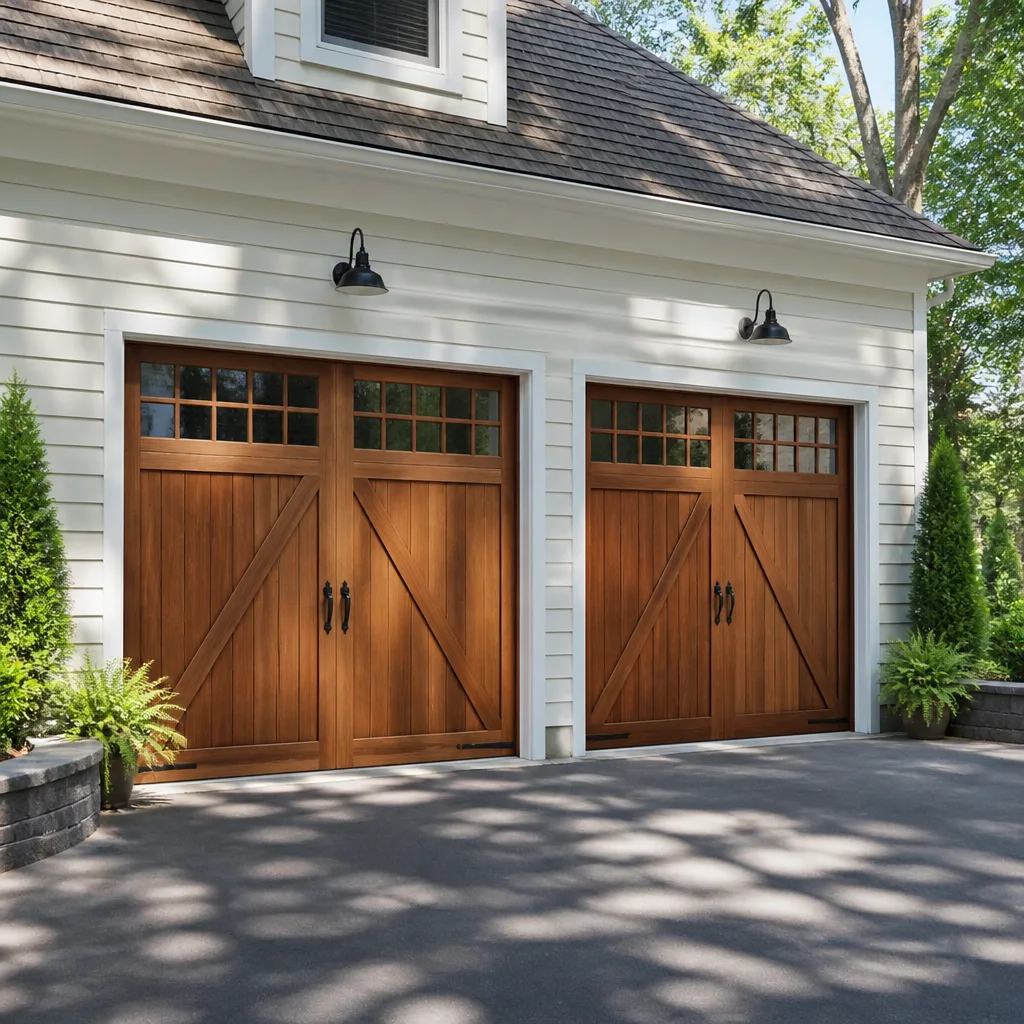 Carriage house
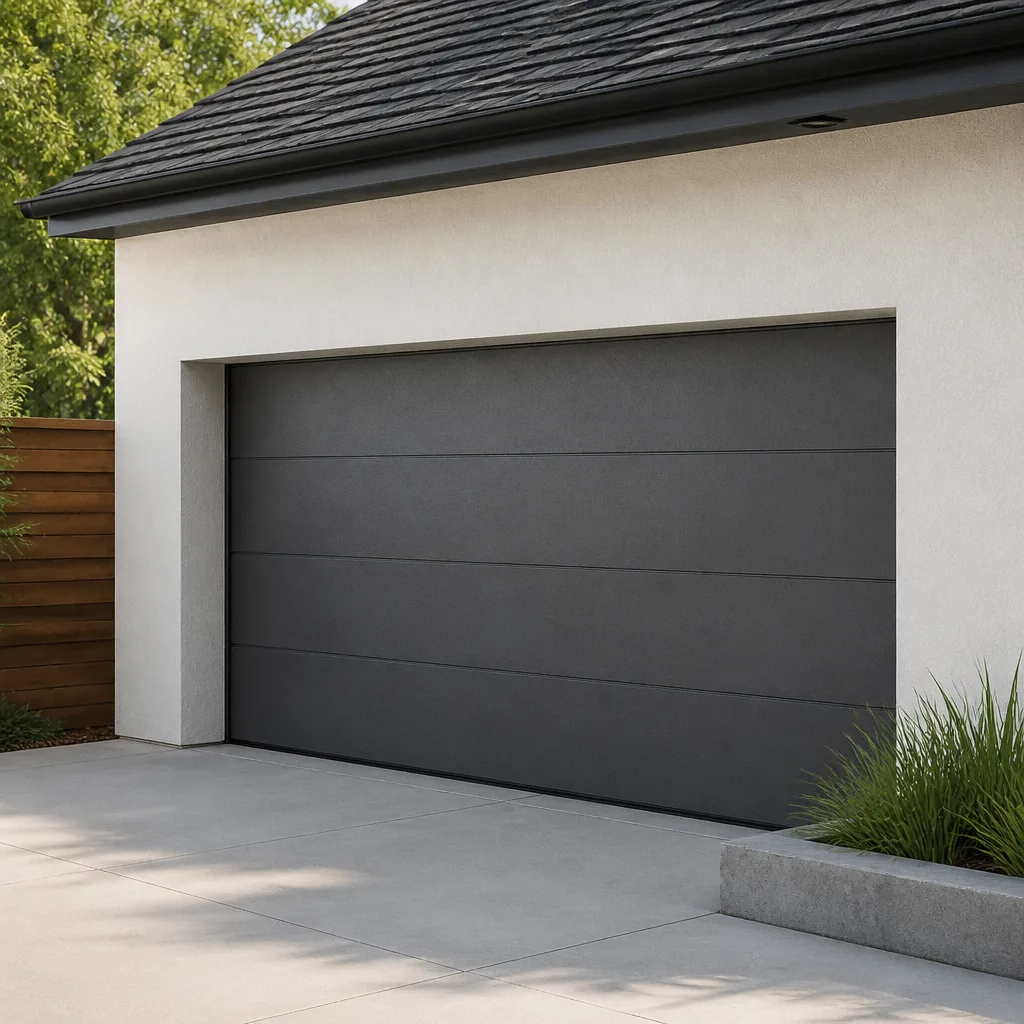 Modern flush
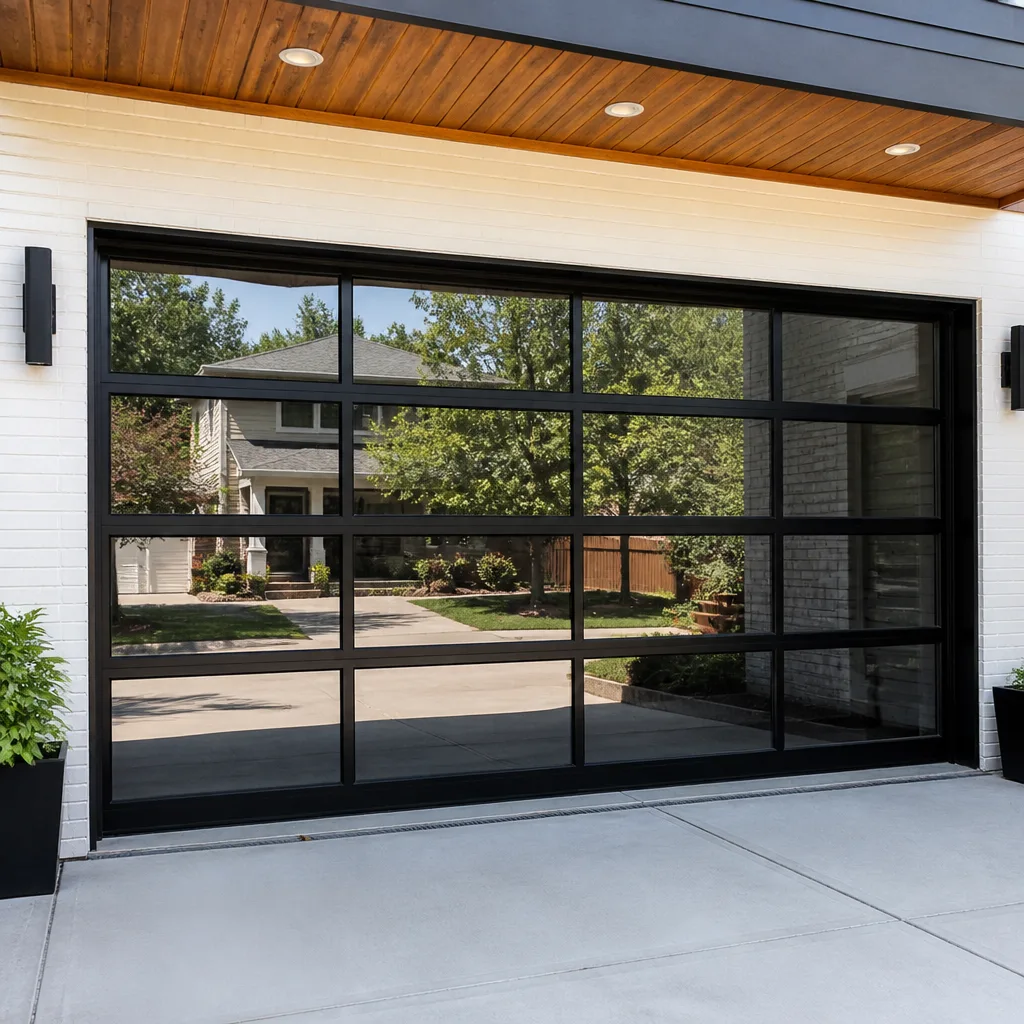 Full-view glass
 LiftMaster openers
 Chamberlain openers
Full 25-point door and opener safety check with every visit - springs, cables, rollers, tracks, and your LiftMaster or Chamberlain opener included
You get a price before we start. It does not change when the pro arrives.
Get your free estimateSeasonal Garage Door Care for Springfield: Year-Round Homeowner’s Guide
Ask most homeowners when garage doors fail and they’ll say January. In our experience across Springfield, the worst stretch for spring breakage is late February into early March. The reason is the thaw, not the cold. A torsion spring that gets stressed by weeks of deep freeze and then worked through repeated day-night freeze cycles fatigues faster than one that simply sits cold. That single misread is why doors that were “just serviced” in November still snap a spring in March. This guide covers all four seasonal threat windows in Springfield, Ohio, and shows you a 15-minute walk-around that catches most problems before they turn into service calls.
Quick Answer
Seasonal garage door care in Springfield means treating fall, winter, spring, and summer as four separate maintenance windows, not one winter-prep checklist. Before the first consistent freeze, lubricate hinges and rollers with a cold-rated product and check bottom seal compression. In spring, inspect cables, rollers, and seals for freeze-thaw damage. Summer calls for opener and hardware checks as heat and humidity work on torsion components. A 15-minute walk-around each season catches roughly 90% of developing problems before they fail.
Styles & brands we work with
- Raised-panel steel
- Carriage house
- Modern flush
- Full-view glass
- LiftMaster openers
- Chamberlain openers
Table of Contents
- Why Springfield Doors Need Four Separate Seasonal Checks
- Fall Prep: Before Temperatures Drop Below 32°F
- Winter: What to Do When the Door Won’t Open
- Spring: The Most Important Inspection Window
- Summer: Heat, Humidity, and Opener Performance
- The 15-Minute Seasonal Walk-Around
- Common Mistakes to Avoid
- When to Call a Professional
Why Springfield Doors Need Four Separate Seasonal Checks
Springfield sits in west-central Ohio, where the climate swings through four genuinely different operating conditions each year. A garage door is a mechanical system with metal springs, steel cables, nylon or steel rollers, rubber seals, and an opener motor, and each of those components responds differently to cold, thaw, heat, and humidity. When you only think about winter, you miss the season that actually does the most damage.
Here’s the pattern we see: homeowners prep in the fall, breathe a sigh of relief when March arrives, and then ignore the door until something breaks in July. The spring thaw is when freeze-thaw cycling has already worked on your cables and bottom seal. Summer is when heat and Ohio humidity get to the torsion hardware. Those two windows do more cumulative wear than the deep cold of January, and they’re the ones most Springfield homeowners skip.
Winter itself isn’t benign, but its threat is different. Cold doesn’t usually break a healthy door. It reveals weaknesses in a door that was already marginal. A roller that was slightly worn in October becomes a stuck roller in February. A seal that had lost some flexibility becomes a stiff, cracked strip by mid-January.
Thinking in seasons also matches how the door actually ages. Springs fatigue through cycles, and cold makes metal more brittle, so a spring near the end of its life is most likely to fail during a temperature swing, not steady cold. Cables corrode faster in humid months. Seals degrade in UV and heat. Rollers wear through constant use regardless of season. Address each on its own schedule and the door lasts longer between major repairs. Ignore them and you’ll be scheduling garage door repair at the worst possible moment.
Fall Prep: Before Temperatures Drop Below 32°F
The goal of fall prep is to get the door through winter without a cold-related failure. That means two things most checklists miss: lubrication viscosity and seal compression. Both need attention before the first hard freeze, because once temperatures stay below 32°F, some products and materials stop behaving the way they did in October.
Lubrication viscosity matters more than most people realize. A general-purpose oil or grease that flows nicely at 60°F can thicken into a sticky paste at 20°F. That turns a smooth roller into a sluggish one, which adds load to the opener and the springs. Before winter, clean the old lubricant off the hinges, rollers, and torsion bearing plates, then apply a product rated for cold temperatures. Silicone-based or white lithium lubricants made for cold use are the usual choice. Check the label; if it doesn’t mention cold or low-temperature performance, save it for summer.
Seal compression is the other fall priority. The bottom seal is a rubber or vinyl strip that presses against the floor to keep out cold air, water, and pests. As temperatures drop, an older seal loses flexibility and stops compressing fully. That leaves a gap along the floor. Run your hand along the bottom of the closed door; you should feel even contact all the way across. If you can slide a piece of paper under it in spots, the seal isn’t doing its job.
Fall also is the right time to check the balance of the door. Disconnect the opener (there’s usually a release cord) and lift the door halfway by hand. A properly balanced door should stay put. If it drifts down or slams up, the spring tension needs adjustment. That’s not a DIY job, since the springs are under high tension and can cause serious injury if handled incorrectly. For anything involving the springs, call a trained technician rather than attempting the adjustment yourself.
Springfield’s fall is short, so don’t put this off. Once the first hard freeze settles in, you’ll want the door already prepped.
Winter: What to Do When the Door Won’t Open
When the door won’t open in cold weather, the worst thing you can do is keep pressing the button. If the door is stuck, the opener is designed to sense resistance and reverse, but repeated attempts force the motor and the springs to work against a frozen or jammed component. That’s how a stuck door becomes an opener repair and a spring repair at the same time.
Here’s how to respond safely:
- Stop pressing the remote or wall button. Give the system a rest. If it didn’t move after two tries, something is binding.
- Pull the manual release cord (the red handle hanging from the opener rail) to disconnect the door from the opener. This lets you test the door by hand.
- Try lifting the door by hand. If it moves freely, the problem is the opener, not the door. If it won’t budge or feels very heavy, the trouble is in the door itself: a frozen seal, a stuck roller, or a spring issue.
- Check for a frozen bottom seal. A seal that has bonded to the floor with ice will hold the door down. Gently work it loose with warm water, never by prying with a tool that could damage the seal or the door panel.
- Look at the tracks and rollers. Ice or debris in the track can stop travel. Clear it carefully, and if a roller looks damaged, leave it alone until it can be replaced.
If the door won’t move even with the opener disconnected, or if you hear a loud bang from the spring area, stop and call a technician. In our experience, Springfield winters produce a lot of stuck-door calls in January and February, and most trace back to a component that was already wearing in the fall. That’s why fall prep matters so much. For situations where a stuck door creates a security or access problem, Hornbeam Garage Door Repair offers emergency service. We work on every major brand, including Chamberlain and Genie openers that can behave differently in cold weather.
Spring: The Most Important Inspection Window
Spring is the inspection window that matters most, and it’s the one most homeowners skip. A freeze-thaw season has been working on your cables, rollers, and bottom seal for months, and the damage often doesn’t announce itself until the door fails in summer. A spring walk-around is how you catch it early.
What freeze-thaw does to cables. Steel cables stretch and contract with temperature changes, and each cycle adds a tiny bit of wear at the drum and the connection points. The danger sign is fraying. Run a gloved hand along each cable and look for broken strands, kinks, or rust. A frayed cable can snap, and when it does, the door can drop or twist. Cables are under high tension just like springs, so a damaged cable is a call-a-professional situation, not a repair to attempt yourself.
What it does to rollers. Rollers take a beating all winter. Cold stiffens their bearings and the track can collect grit that grinds them down. By spring, a roller that was fine in the fall may be flat-spotted or wobbly. Spin each roller by hand; it should turn smoothly with no grinding. If you hear a rumble or feel a catch, the roller needs replacing.
What it does to bottom seals. The bottom seal is the first thing to show freeze-thaw damage. Look for cracks, tears, or sections that have pulled away from the retainer. A seal that’s failing lets in water, which then freezes and expands, making the problem worse next winter. Spring is the time to replace it, before summer heat bakes the damage in and before fall arrives with another freeze cycle.
Spring is also when you should test the safety reverse. Place a roll of paper towels or a piece of wood flat on the floor under the door and close it. The door should reverse on contact. If it doesn’t, the opener needs adjustment, and that’s a shop visit or a service call. Springfield’s spring weather is also a good reminder to check the garage door opener repair side of things; an opener that struggled all winter is more likely to fail now.
Summer: Heat, Humidity, and Opener Performance
Summer gets ignored because the door “seems fine,” but heat and Ohio humidity do their own kind of damage. Two things happen: the opener works harder, and the torsion hardware corrodes faster. Neither shows up as an obvious failure until it does.
Heat and opener performance. Opener motors generate heat on their own, and when the garage itself is hot, the motor has less ability to shed it. That’s why openers sometimes act up on the hottest days: reversing for no reason, stopping partway, or refusing to respond. The fix usually starts with checking the safety sensors (clean the lenses, make sure they’re aligned and not in direct sun glare) and the force settings. If an opener is a few years old and struggles in summer, it’s worth having it looked at before the problem gets worse. We work on LiftMaster, Chamberlain, Genie, and Craftsman systems, so a technician can diagnose the specific model rather than guessing.
Humidity and torsion hardware. Springfield’s summers are humid, and humidity is what accelerates rust on the torsion tube, bearing plates, springs, and cable drums. Rust isn’t just cosmetic on these parts; it adds friction and can lead to binding. A light coat of lubricant on the torsion bearing plates in early summer helps slow it down. If you see heavy rust on the springs or cables, that’s a sign to have them checked rather than ignored.
Summer is also the right time to clean the tracks. Grit, dust, and pollen build up over the warmer months, and a dirty track wears rollers faster. Wipe the inside of the tracks with a damp cloth; don’t use grease or oil in the tracks, since that attracts dirt and makes things worse.
The 15-Minute Seasonal Walk-Around
This is the routine we recommend to homeowners who want to catch problems before they become service calls. It takes about 15 minutes and covers the components that account for most failures. Do it once each season, and you’ll catch roughly 90% of developing issues.
- Look at the springs. Check the torsion spring above the door or the extension springs along the sides. Look for gaps, rust, or a stretched appearance. Never touch or adjust them; high-tension springs can cause serious injury. If something looks wrong, that’s a technician call.
- Check the cables. Run a gloved hand along each cable. Look for fraying, kinks, or rust. Same rule: don’t handle a tensioned cable yourself.
- Inspect the rollers. Spin each roller by hand. It should turn freely with no grinding or wobble.
- Test the bottom seal. Close the door and check for even contact along the floor. Look for cracks or tears. In fall, check compression before the freeze.
- Wipe the tracks. Clear grit and debris from the inside of the tracks. Don’t lubricate the tracks.
- Lubricate the moving parts. Apply a cold-rated lubricant to hinges, rollers, and torsion bearing plates, following the seasonal note above. Clean old lubricant first.
- Test the safety reverse. Place an object on the floor under the closed door and open it. The door should reverse on contact.
- Balance test. With the opener disconnected, lift the door halfway. It should hold position. If it drifts, spring tension needs attention from a technician.
If anything on this list looks wrong, especially anything involving the springs or cables, stop and call. The walk-around is for catching problems early, not for fixing the dangerous parts yourself. When you need a proper repair, our garage door spring repair team handles the highest-risk component in the system, and we quote the price before any work starts.
Common Mistakes to Avoid
- Skipping spring because winter is over. Spring is the inspection window that catches freeze-thaw damage before summer. Skip it and you’ll often end up with a failure in July that started in March.
- Using summer-weight lubricant in winter. A product that flows fine on a warm day can turn to paste in the cold, adding load to the opener and springs. Match the lubricant to the season.
- Forcing a stuck door with the opener. Repeatedly pressing the button on a door that won’t move makes an opener failure into an opener-and-spring failure. Disconnect the opener and test by hand instead.
- Ignoring the bottom seal. A failing seal lets in water that freezes and expands, so a small problem compounds each winter. Check compression every fall.
- Greasing the tracks. Lubricant in the tracks attracts dirt and gum up the rollers. Tracks should be clean, not greased.
- Adjusting springs yourself. High-tension springs can cause serious injury if handled incorrectly. This is the one part of seasonal care that always belongs to a trained technician.
- Assuming a new opener fixes everything. If the door itself is out of balance or the springs are worn, a new opener just works harder. Fix the door before replacing the opener.
When to Call a Professional
Some seasonal care is homeowner territory, and some of it isn’t. Call a technician if you hear a loud bang from the spring area, see frayed cables, notice the door is out of balance, or find that a spring has a visible gap or heavy rust. Call if the door reverses for no reason, if the opener struggles to lift the door, or if a stuck door won’t free up after a cold snap. Any of these points to a component under high tension or a motor that needs diagnosis, and both are worth getting right the first time.
We’ve seen plenty of Springfield doors that were “just serviced” and still failed because one season got skipped. A proper check covers all four windows. If you’d rather have a technician look it over, Hornbeam Garage Door Repair offers free estimates in Springfield – call (866) 558-6357.
See the difference
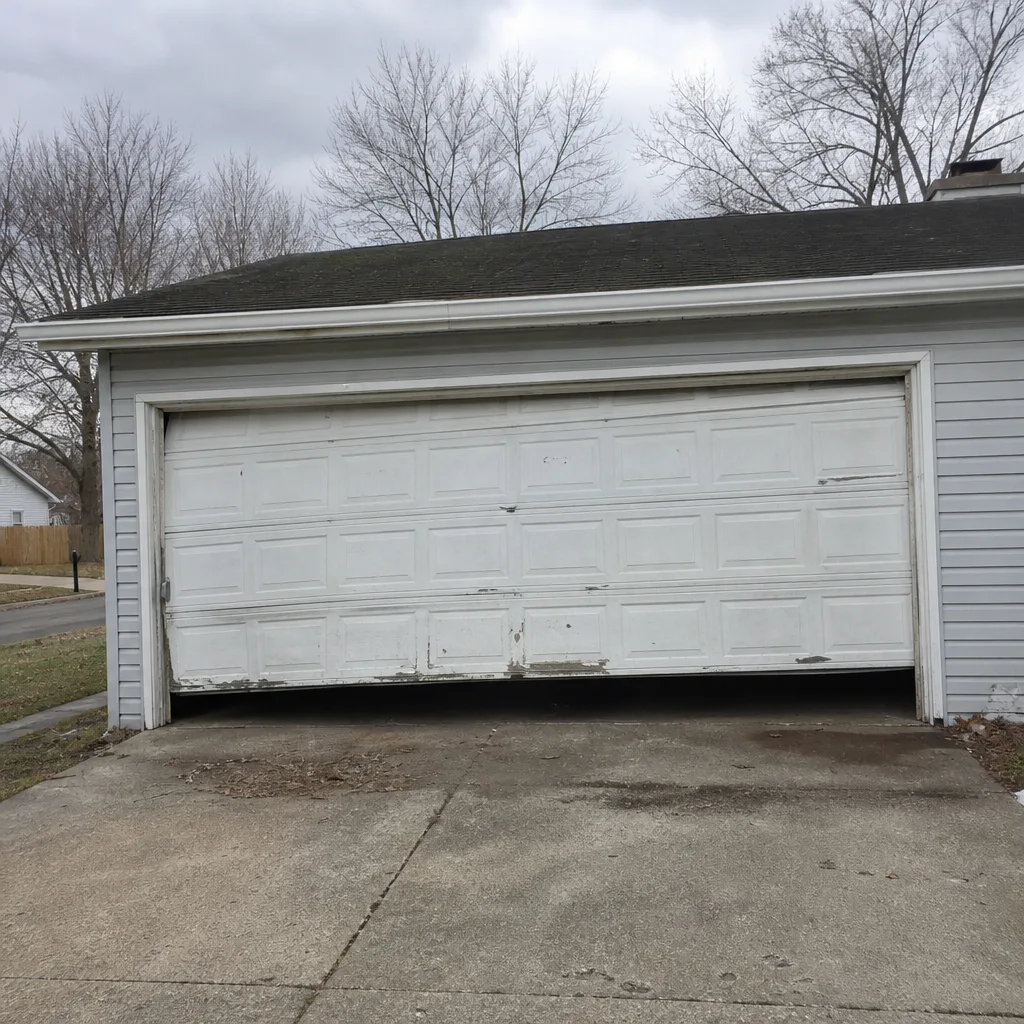 Before
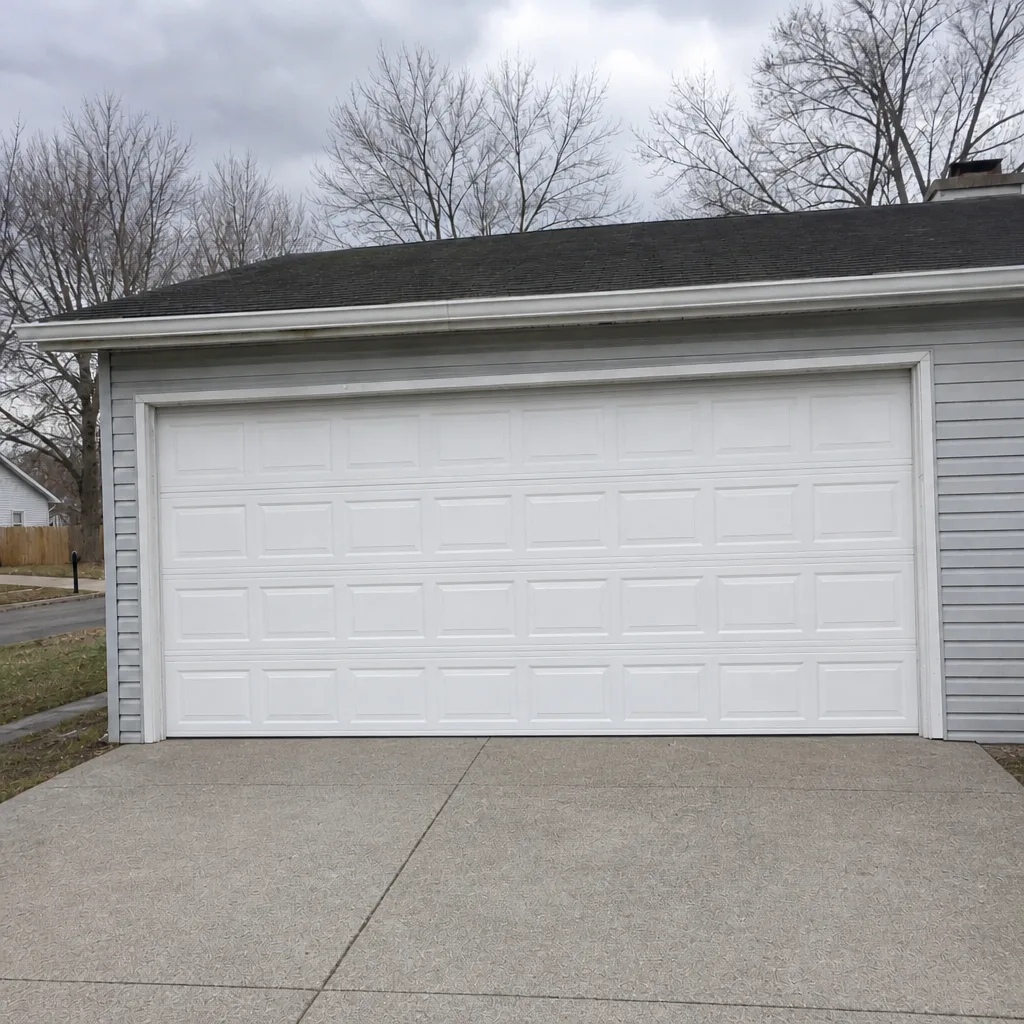 After
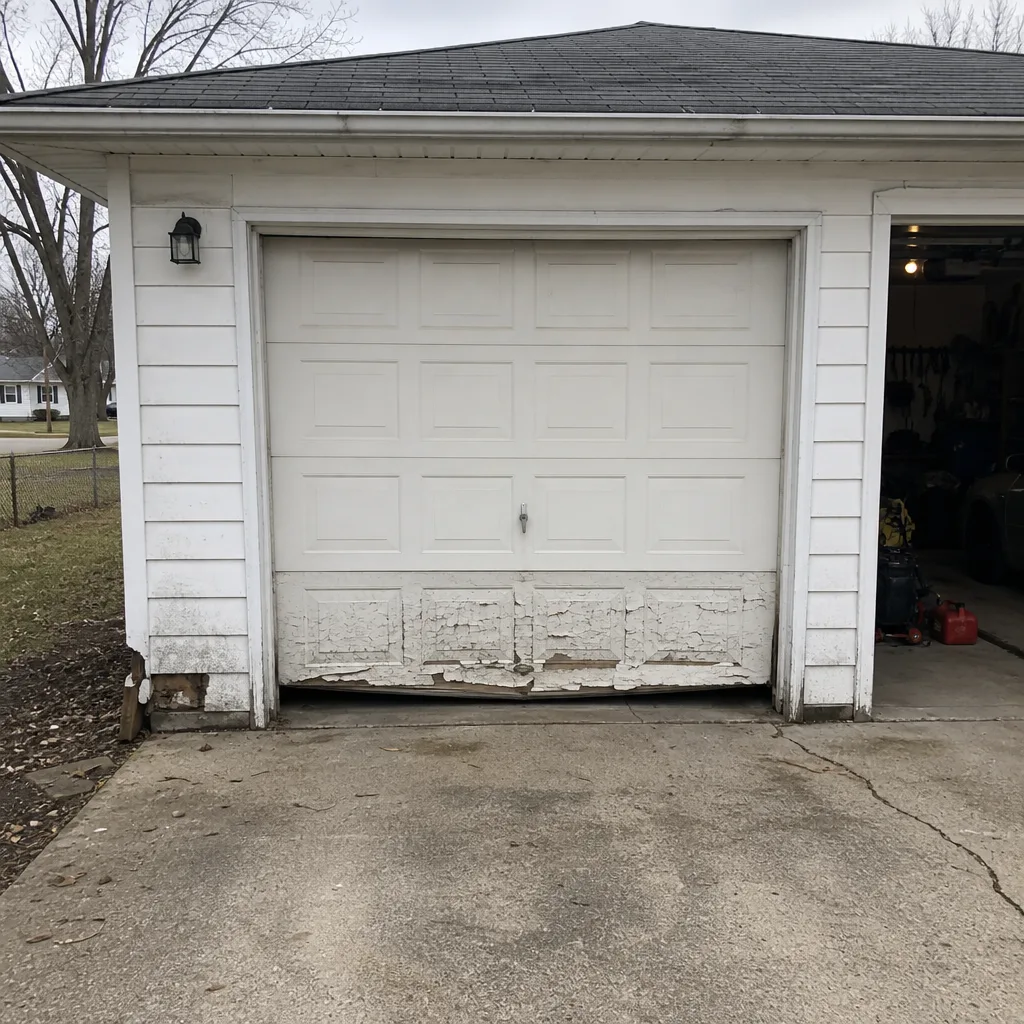 Before
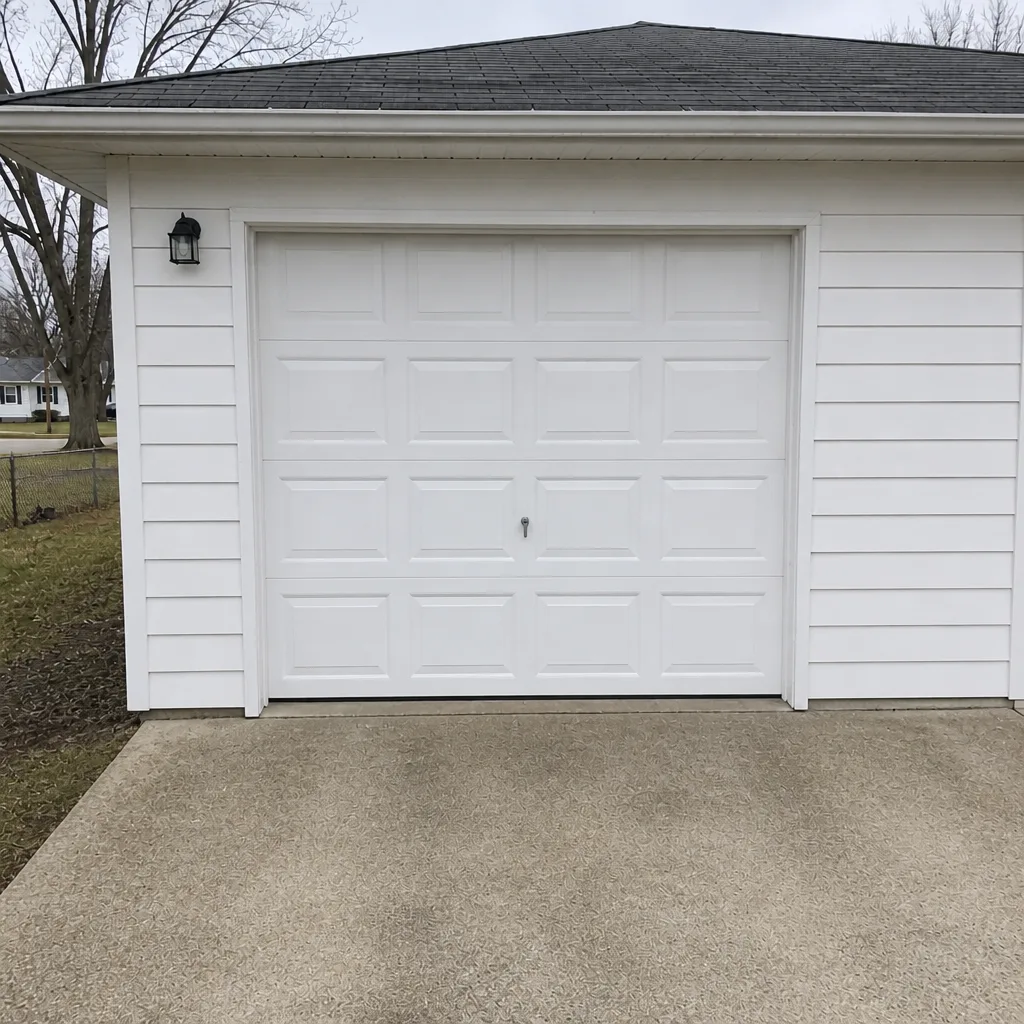 After
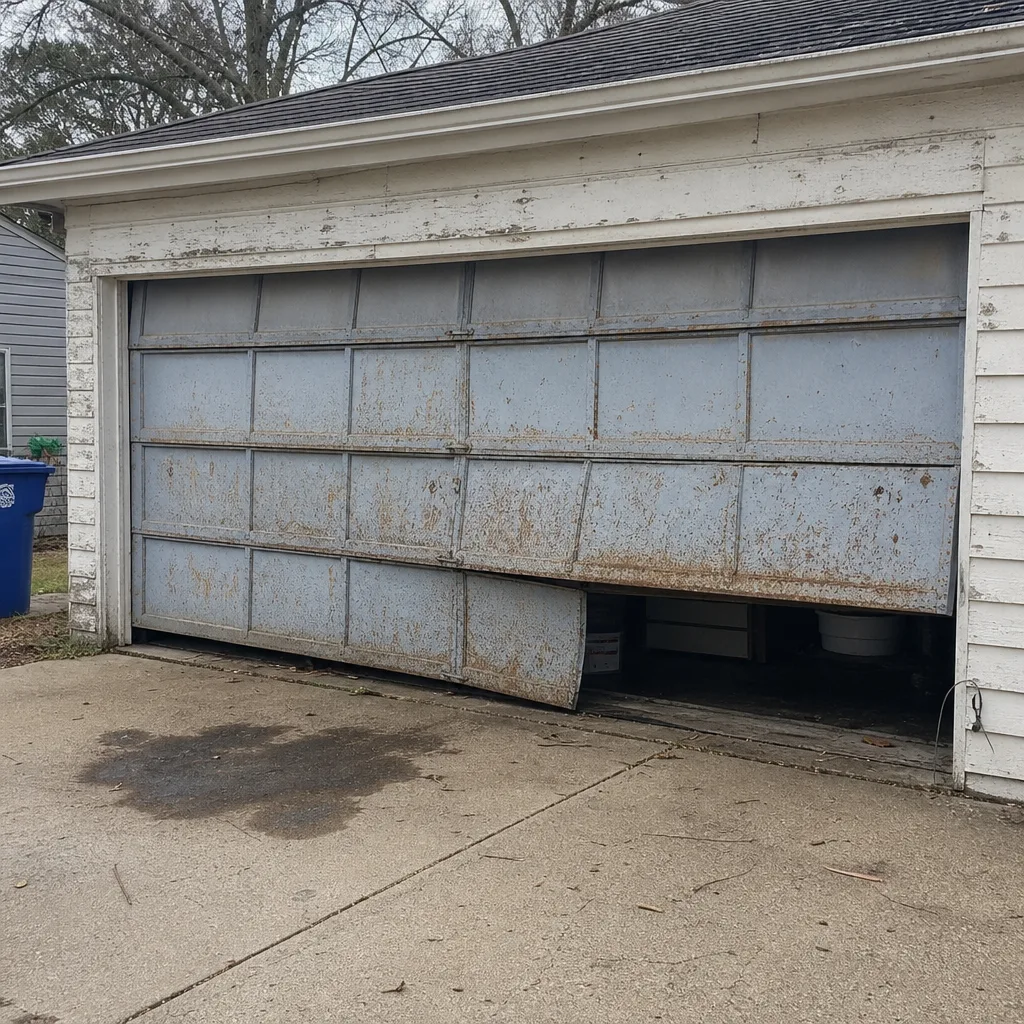 Before
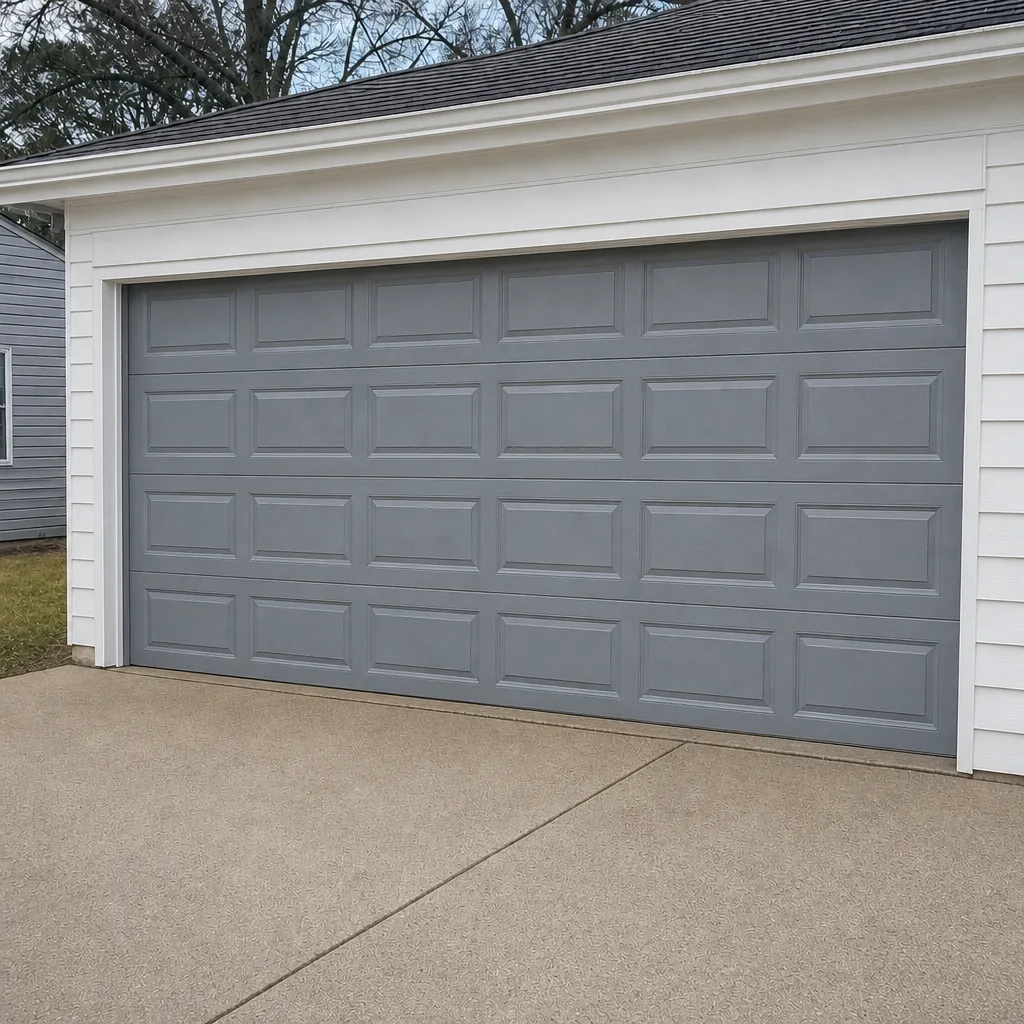 After
Frequently Asked Questions
Twice a year is the practical minimum: once in fall before the first freeze and once in spring after the freeze-thaw season. A door that gets heavier use or is a few years old benefits from an additional summer check on the opener and torsion hardware. The fall and spring visits catch the two windows that cause the most damage.
Late February and early March are the worst weeks in our experience, not January. The repeated thaw-and-refreeze cycle fatigues the metal more than sustained cold. Cold makes the metal more brittle, and the daily temperature swings work the spring back and forth until it fails. That’s why a spring that survived January can snap in early March.
Yes, on the hinges, rollers, and torsion bearing plates, using a product rated for cold temperatures. Clean off old lubricant first. Don’t lubricate the tracks, and never touch the springs or tensioned cables; those are under high tension and can cause serious injury. Leave spring work to a technician.
Stop pressing the opener button after two tries, and pull the manual release cord to disconnect it. Try lifting the door by hand. If it moves freely, the opener is the likely issue; if it won’t move, the door or a frozen seal is the problem. If it still won’t budge, call a technician rather than forcing it.
Heat stresses the opener motor, and hot days can cause it to overheat, reverse unexpectedly, or stop partway. Sun glare on the safety sensors is another common summer issue. Clean and align the sensors first; if the opener still struggles, have it diagnosed before the problem worsens.
Yes. Springfield’s humid summers accelerate rust on the torsion tube, bearing plates, springs, and cable drums. Rust adds friction and can cause binding. A light coat of lubricant on the torsion bearing plates in early summer slows it down, and heavy rust on springs or cables is a reason to have them checked.
Will seasonal care prevent every garage door failure?
No, but it catches most developing problems before they fail. Springs still wear out over time, and openers eventually need repair or replacement. What seasonal care does is catch the issues that would otherwise fail at the worst moment, usually during a freeze or a heat wave. A 15-minute walk-around each season does most of that work.
The Bottom Line
Springfield garage doors don’t fail in one season; they fail because one season got skipped. Prep the lubricant and seal before the freeze, respond carefully when the door sticks in winter, inspect cables, rollers, and seals after the thaw, and watch the opener and torsion hardware in summer humidity. The 15-minute walk-around catches most of it. For the parts under high tension, call a technician. When you need a proper repair or full door service, we work on every major brand, from Clopay and Amarr doors to Chamberlain and Genie openers. Hornbeam Garage Door Repair offers free estimates in Springfield – call (866) 558-6357. You can also learn more about Hornbeam Garage Door Repair and what we cover.
Written by the team at Hornbeam Garage Door Repair.